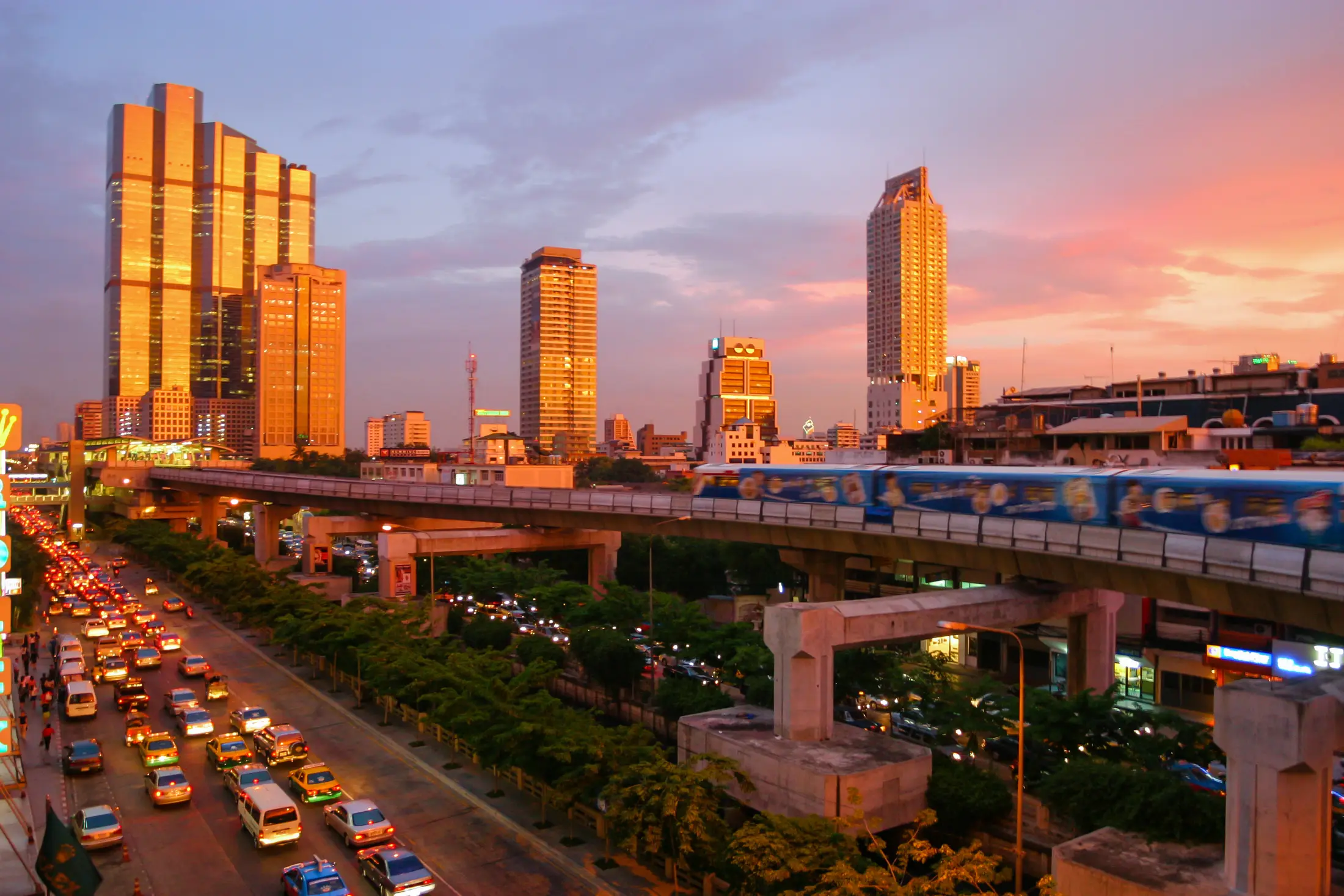
Bangkok is a large working city, not a controlled resort. Most visitors and residents move through it without a serious incident, but the useful safety questions are specific: how will you cross a busy road, get home after the trains stop, handle an unclear bill, avoid dehydration, protect your phone in a crowd, or reach medical help?
This guide is preparation, not a guarantee. Conditions and laws can change. For a current incident, follow Thai authorities, your embassy or consulate, your insurer, and qualified medical or legal advice.
Bangkok emergency numbers
Save these before you need them:
| Help needed | Number |
|---|---|
| Tourist Police | 1155 |
| Police emergency | 191 |
| Medical emergency | 1669 |
| Fire | 199 |
The Thai government’s official emergency-number list supports all four numbers above. The Thailand Tourist Police publishes 1155 as its hotline and offers a tourist-police app. If you call, give the place name, a nearby landmark, and a phone number. A saved Thai-language hotel address or map pin can be more useful than trying to pronounce a long road name under pressure.
For a lost bank card, contact the card issuer as well as the police when appropriate. For a lost passport, contact your embassy or consulate. For an insurance claim, ask what evidence the insurer needs before paying a large non-emergency bill when circumstances allow.
Traffic deserves your attention
Road behaviour is the safety issue visitors encounter most often in ordinary Bangkok life. A green pedestrian signal does not make looking unnecessary. Motorcycles can filter between lanes, vehicles can turn across crossings, and a pavement can end abruptly.
- Look in both directions, including on one-way streets.
- Use footbridges and controlled crossings where they genuinely make the route safer.
- Do not follow another pedestrian into traffic without checking for yourself.
- Keep children on the building side of a narrow pavement.
- Avoid using your phone while stepping into a road or station entrance.
Motorcycle taxis are useful for short final connections, but usefulness and safety are different questions. Use the provided helmet, keep bags close, and do not use a motorcycle when your luggage, clothing, weather, confidence, licence, or insurance makes it a poor choice. The Getting Around Bangkok guide explains when rail, taxi, ride-hailing, walking, and motorcycles make sense.
Taxis, ride apps, and tuk-tuks
For taxis, confirm the meter or agreed fare before the trip begins. For an app booking, verify the registration and vehicle rather than entering the first car that stops near the pin. At malls and large hotels, the official pickup area can be easier than asking a driver to stop on a congested main road.
Tuk-tuks are an experience rather than a default transport system. Agree on the complete price before getting in. A very cheap sightseeing offer can come with unwanted stops at shops. If the plan changes from the journey you agreed, leave when it is safe and choose another ride.
Pickup pins cause many avoidable problems. Put the pin on the correct side of a divided road, then message a recognisable entrance or landmark. Do not run across traffic simply because the driver stopped on the opposite side.
Common scams and pressure tactics
Bangkok scams usually rely on urgency, confusion, friendliness, or a price that sounds unusually good. Useful warning signs include:
- someone insisting that a major attraction is closed without directing you to its official entrance;
- a stranger building an elaborate day plan around a cheap tuk-tuk, gem shop, tailor, or travel office;
- a venue that will not explain prices before ordering;
- a rental business asking to keep your passport as security;
- an online job, apartment, ticket, or relationship request that quickly becomes a demand for money;
- an ATM, payment page, or QR code that looks altered or unrelated to the business.
You do not need to win an argument. Step away, check the official website or entrance, and make the decision again without the salesperson present. The Tourist Police also operates an official provider and scam-checking portal.
Phones, bags, cards, and documents
Crowded markets, nightlife streets, station platforms, and festival events require ordinary city awareness. Close the bag, carry only the cash you expect to use, and avoid leaving a phone loose on the outer edge of a table beside the street.
Keep separate access to money: for example, one payment card in your wallet and a backup secured at the accommodation. Store encrypted or access-controlled copies of key documents. Do not give a stranger your unlocked phone to “help” with banking, tickets, or a booking.
At an ATM, shield the PIN and inspect the card slot. An ATM inside or directly attached to a bank is usually easier to resolve if something goes wrong. The Money in Bangkok guide covers cash, cards, exchange, ATMs, and currency-conversion screens.
Nightlife and alcohol
Bangkok nightlife ranges from hotel bars and live music to night markets, clubs, and late restaurants. The sensible rules are the same across price levels:
- know the expected price and service charge before ordering an expensive bottle or package;
- keep control of your drink and do not accept an open drink from a stranger;
- settle unclear charges while you are calm rather than after more rounds;
- arrange the route home before the group separates;
- leave a venue that feels aggressive, coercive, or deliberately vague;
- do not assume a friend is safe simply because the journey is short.
If somebody becomes unexpectedly confused, unwell, difficult to wake, or seriously ill after drinking, treat it as a medical problem. The Bangkok Nightlife Guide focuses on areas, transport, and practical evening planning without making adult entertainment the reason to visit.
Heat, rain, air, and mosquitoes
Bangkok heat can quietly turn a long walking plan into a bad day. Start outdoor routes earlier, drink regularly, take air-conditioned breaks, and treat dizziness, confusion, fainting, or worsening illness seriously. During storms, do not walk into floodwater when you cannot see the surface, drains, traffic, or electrical hazards.
Dengue is transmitted by mosquitoes, and prevention is about avoiding bites rather than only avoiding visibly dirty places. The World Health Organization’s traveller guidance recommends protective clothing, repellents, screens, and nets where appropriate. Seek medical advice for concerning fever or symptoms rather than diagnosing yourself from a checklist.
Air quality varies. Check a current official reading if you are sensitive, exercising outside, travelling with children, pregnant, older, or managing a respiratory or heart condition. The Bangkok weather guide explains how heat, rain, and seasonal conditions change a day plan.
Tap water and food decisions
The Metropolitan Waterworks Authority reports on the quality of the water it supplies in Bangkok, Nonthaburi, and Samut Prakan. Building tanks, filters, and internal plumbing remain separate from the treatment plant. If you do not know the building system, use sealed or properly filtered water for drinking.
For food, choose a place that is busy enough to have turnover and where hot food is cooked hot. A quiet stall is not automatically unsafe, and a polished restaurant is not automatically safe. Use judgement about storage, cleanliness, and how long prepared food has been sitting in the heat.
Solo travellers, women, families, and LGBTQ travellers
No single label predicts a person’s experience. Plan around the actual setting, time, transport, and people involved.
Solo travellers should keep independent access to money and the accommodation address. Women travelling alone may prefer a verified app ride or hotel-arranged transport late at night and should trust discomfort early rather than waiting for a situation to become clearly dangerous. Families should treat traffic, balcony and pool access, heat, medication storage, and the journey to a hospital as part of accommodation selection.
Bangkok has visible LGBTQ communities and nightlife, especially around central areas, but acceptance is not identical in every workplace, family, venue, or situation. Use the same dating-app, drink, transport, and meeting-place precautions you would use in another major city.
Protests, laws, and political sensitivity
Political events can develop or move with little notice. Do not treat a gathering as sightseeing. Leave space around demonstrations, follow instructions from authorities, and check current travel advice and local reporting before crossing an affected area.
Thai laws and enforcement can differ substantially from what a visitor expects. Do not make assumptions about drugs, vaping, gambling, drones, alcohol, identification, or criticism of the monarchy. The Living Legally in Bangkok guide explains why official confirmation matters; your government’s current Thailand travel advice is a useful additional check before departure.
Medical care and insurance
Know the nearest suitable hospital before an emergency, particularly when travelling with children, managing a chronic condition, or staying far from central Bangkok. Carry medication in appropriate packaging and keep the generic name available. Confirm whether the insurer requires pre-authorisation for non-emergency treatment.
The Bangkok hospitals guide explains public and private options and links to internal hospital pages. In a medical emergency, call 1669.
A five-minute safety setup
Before the first full day in Bangkok:
- Save 1155, 191, 1669, and 199.
- Save the accommodation name, Thai address, and map pin.
- Separate a backup card from the daily wallet.
- Check how you will return after the last planned stop.
- Identify one suitable nearby hospital.
- Share the itinerary when travelling alone or meeting someone new.
Good Bangkok safety is not about being frightened of the city. It is about removing the few predictable decisions that become difficult when you are tired, hot, lost, rushed, or drinking.
Bangkok Safety Guide Frequently Asked Questions
Is Bangkok safe for a first-time visitor?
Most visits are trouble-free, but that is not a reason to switch off. Traffic, heat, drink-related decisions, petty theft, unclear prices, and poorly planned transport are more useful things to prepare for than vague fear about the city.
What number should a tourist call for help in Thailand?
Tourist Police is 1155. Police emergency is 191, medical emergency is 1669, and fire is 199. Save the numbers before the trip and keep your hotel name and address available in Thai.
Can you drink Bangkok tap water?
The Metropolitan Waterworks Authority says the water it supplies meets drinking-water standards. The condition of a building's tank and internal pipes is a separate question, so use filtered or sealed water when you do not trust the building system.
What is the safest way to get home at night?
Plan the return before drinking. Use rail while it is operating or book a licensed taxi or ride through a known app, check the vehicle and pickup pin, and avoid accepting an improvised ride from a stranger.
Related Areas for Bangkok Safety Guide
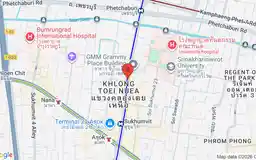
Asok is one of Bangkok's busiest central hubs, combining offices, condos, shopping, and excellent BTS and MRT connections.
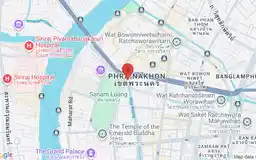
Banglamphu is Bangkok's historic old-town neighbourhood around Khao San Road, with shophouses, guesthouses, cafés, temples, river access, and local street life.
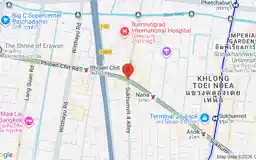
Nana is a busy central area known for nightlife, hotels, international visitors, and easy access along Sukhumvit Road.
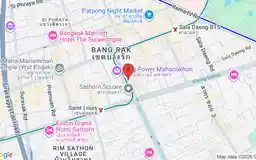
Silom is one of Bangkok's best-known business and nightlife areas, popular for offices, restaurants, bars, and urban convenience.
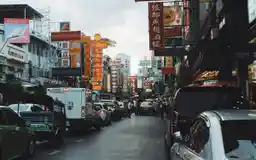
Yaowarat is Bangkok's historic Chinatown area, useful for living, food, markets, temples, old shophouses, accommodation choices, and MRT access.
Hospitals for Bangkok Safety Guide
These listings use Google Places data for rating, location, and hours. Verify current services, insurance acceptance, and emergency contacts directly with each hospital.
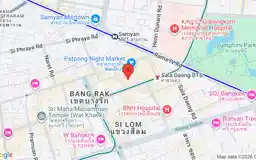
Bangkok Christian Hospital
Google Rating
962 reviews
A long-established non-profit private hospital on Silom Road in Bang Rak, known for good value relative to larger private hospitals and consistently well-regarded by long-term Bangkok expats.
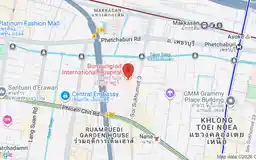
Bumrungrad International Hospital
Google Rating
3,308 reviews
Bangkok's most internationally recognized private hospital on Sukhumvit Soi 3, used by over a million patients a year from more than 190 countries, with full specialist departments and an in-house insurance desk.
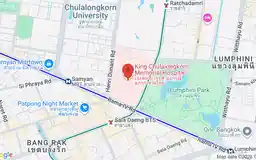
King Chulalongkorn Memorial Hospital
Google Rating
1,642 reviews
A major public teaching hospital in Pathum Wan attached to Chulalongkorn University's Faculty of Medicine, offering highly specialized care at public hospital costs in a central Bangkok location.
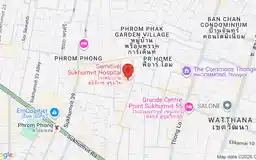
Samitivej Sukhumvit Hospital
Google Rating
8,550 reviews
A large private hospital on Sukhumvit 49 in the Phrom Phong–Thong Lo corridor, with strong pediatric and maternity departments and a large expat patient base in the eastern Sukhumvit area.