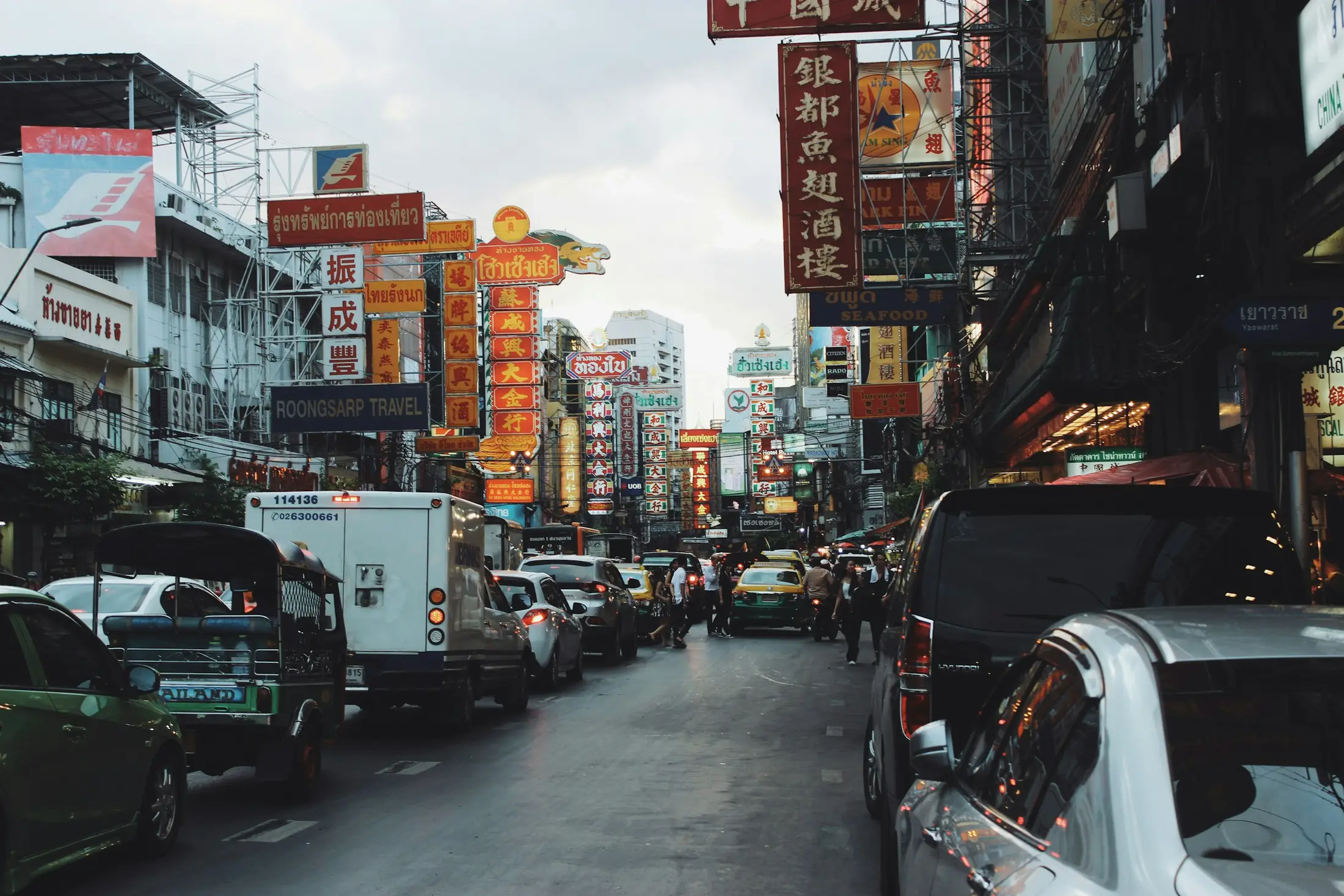
Map context for Yaowarat
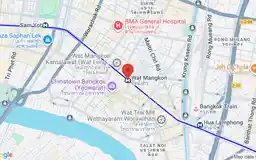
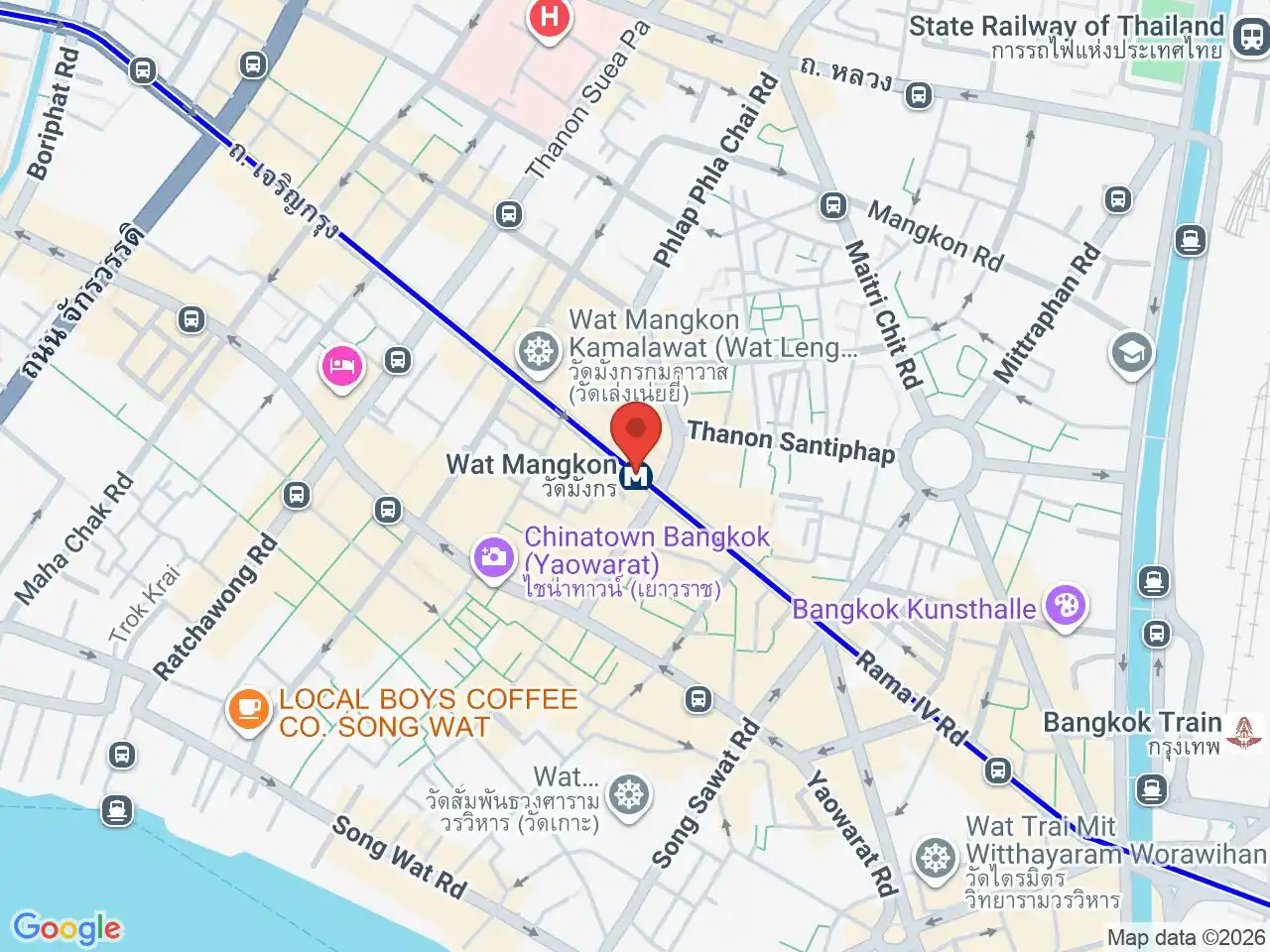
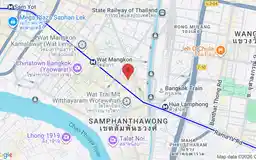
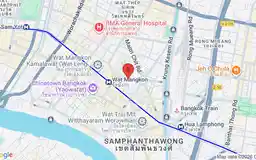
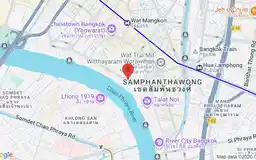
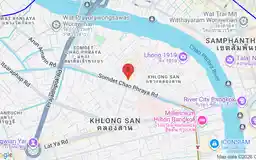
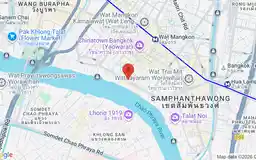
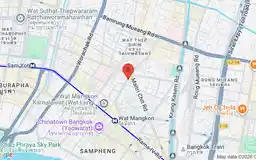
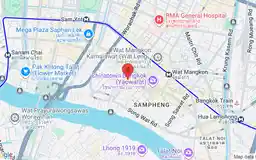
The area map gives a closer view of Yaowarat; the district map or maps show its wider administrative context. Together they help place the area within Bangkok before you check exact routes and addresses.
Yaowarat map
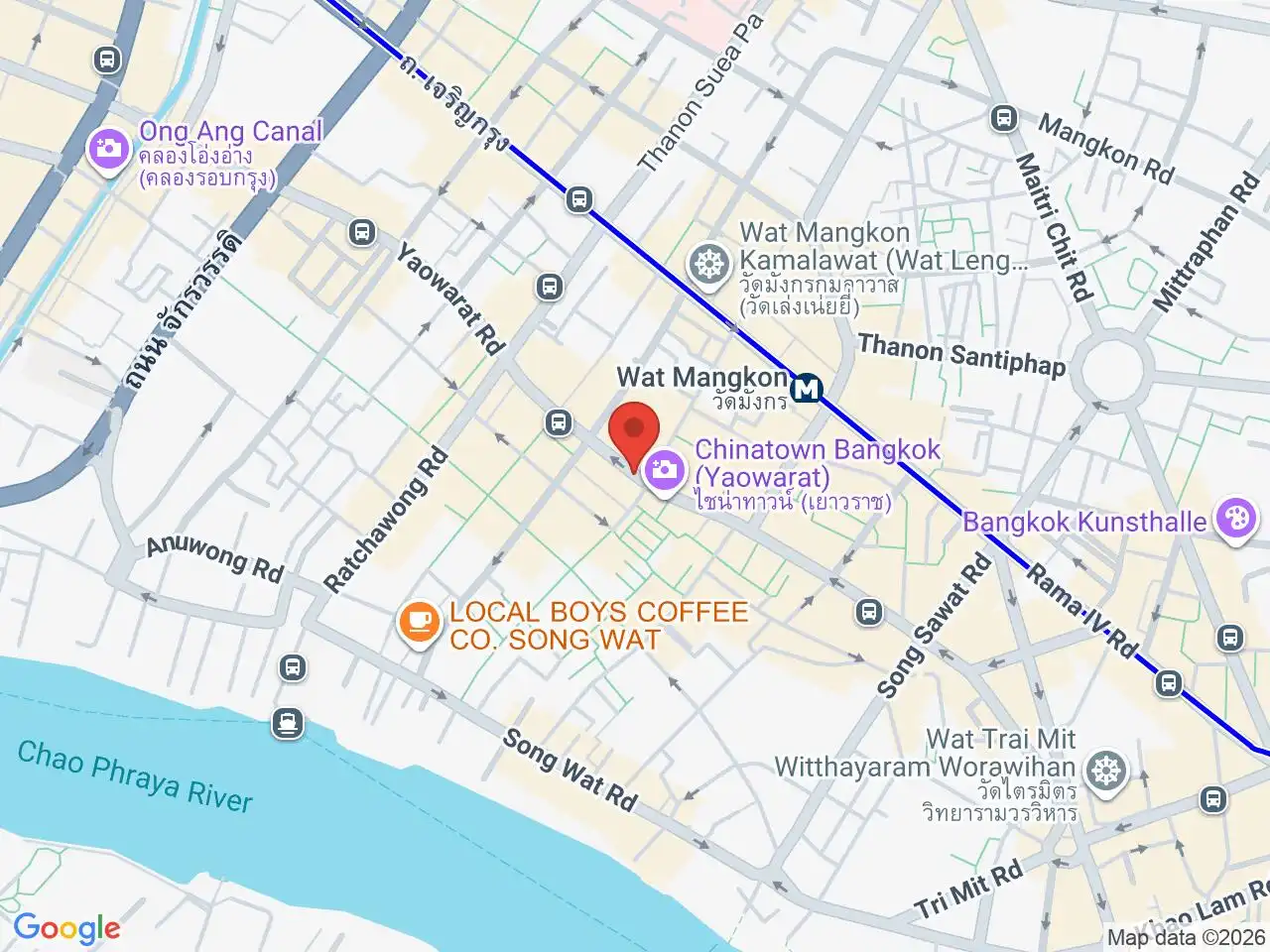
Samphanthawong district map
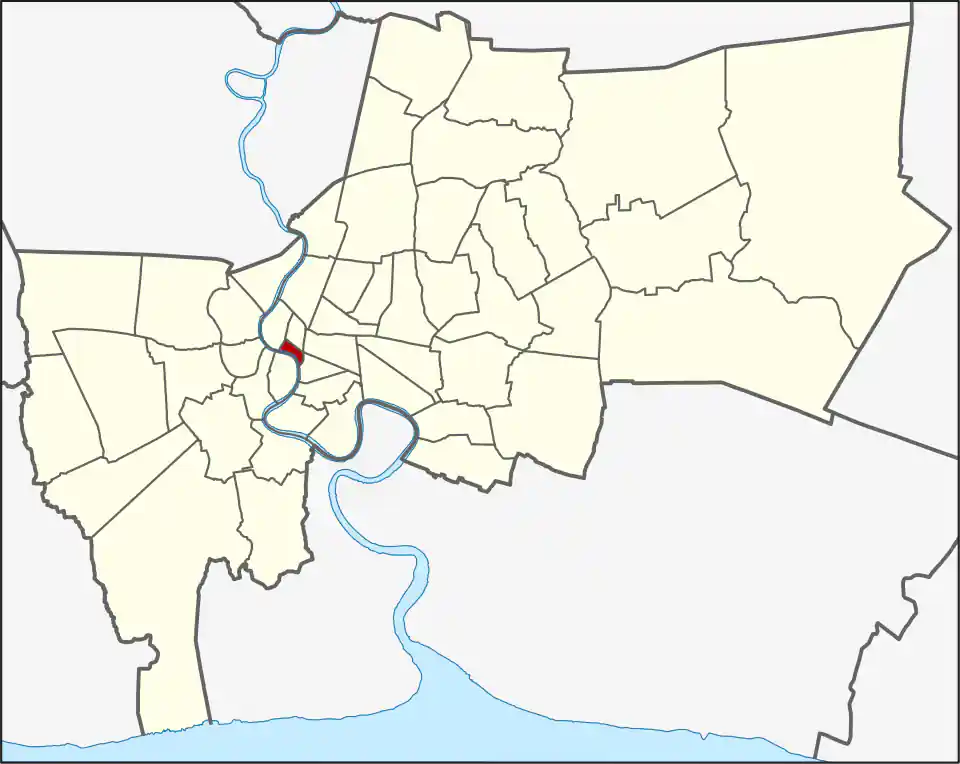
Yaowarat is one of Bangkok’s oldest, busiest and most distinctive urban areas. International visitors usually know it as Bangkok’s Chinatown, while Thai residents and long-term expats commonly use Yaowarat when referring to the wider neighbourhood surrounding Yaowarat Road.
The area combines traditional markets, Chinese temples, gold shops and family businesses with boutique hotels, independent cafés, cocktail bars and creative spaces established inside restored shophouses.
Yaowarat is best known as a destination for food and evening exploration, but it is also a functioning commercial and residential neighbourhood. Living here provides an experience very different from modern expat areas such as Sukhumvit, Sathorn or Ari.
It can be an exciting base for people who value history, walkability and street life. However, dense development, heavy traffic and limited modern housing mean it will not suit everyone.
Visiting rather than considering living here? Start with the Bangkok Chinatown guide for a visitor-focused route through Yaowarat Road, temples, markets and food.
What is Yaowarat like?
Yaowarat is energetic, densely developed and full of contrasts.
Traditional Chinese pharmacies, fabric merchants and jewellery shops operate beside modern cafés, boutique hotels and small restaurants. Narrow lanes lead from busy commercial roads into markets, workshops, shrines and residential communities.
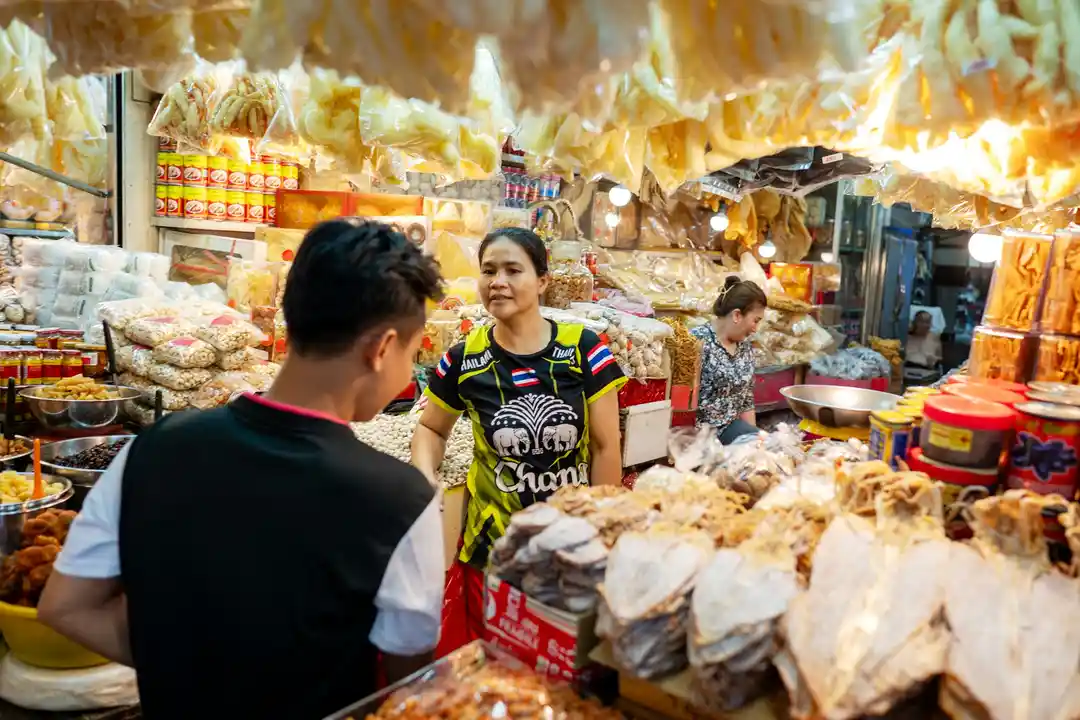
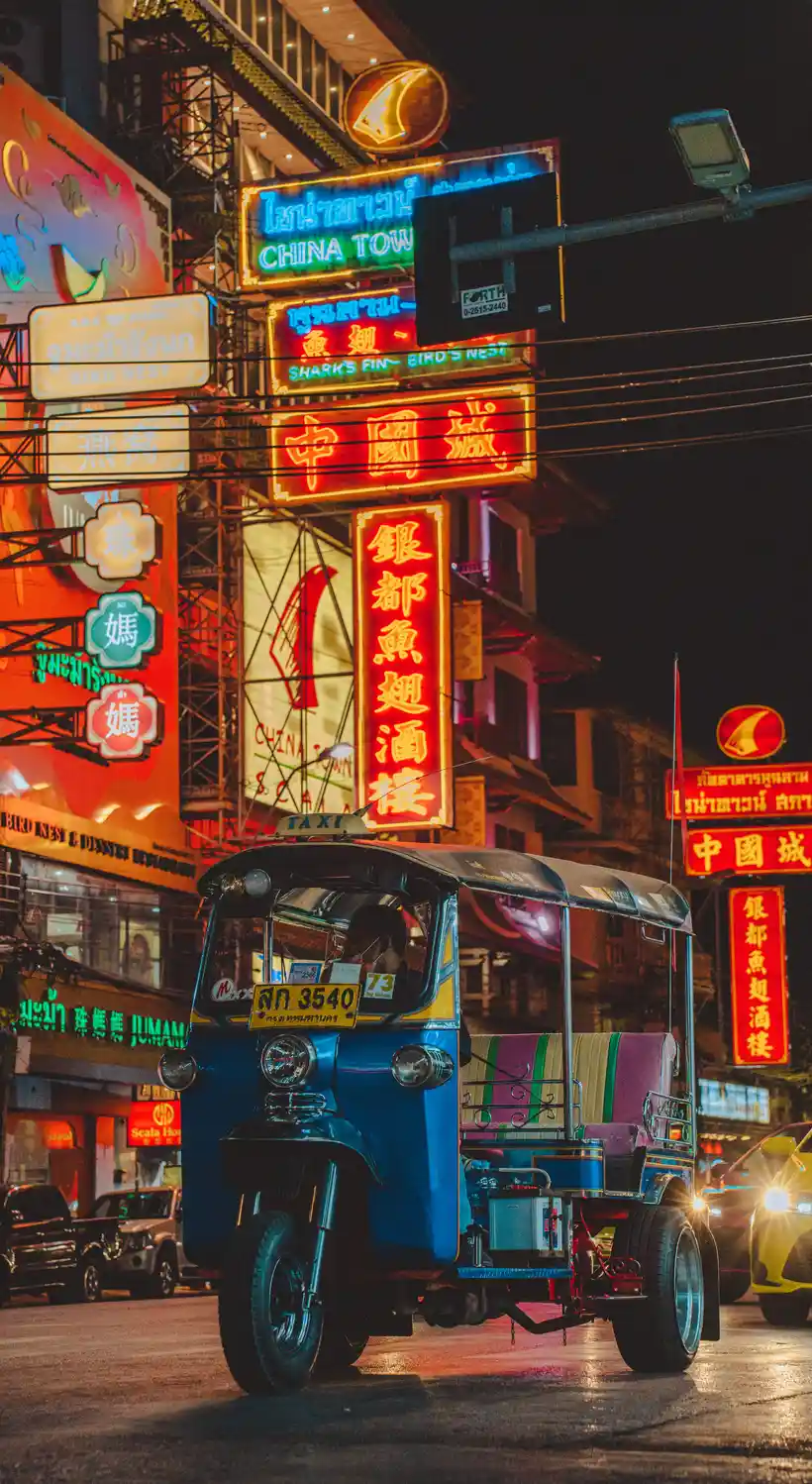
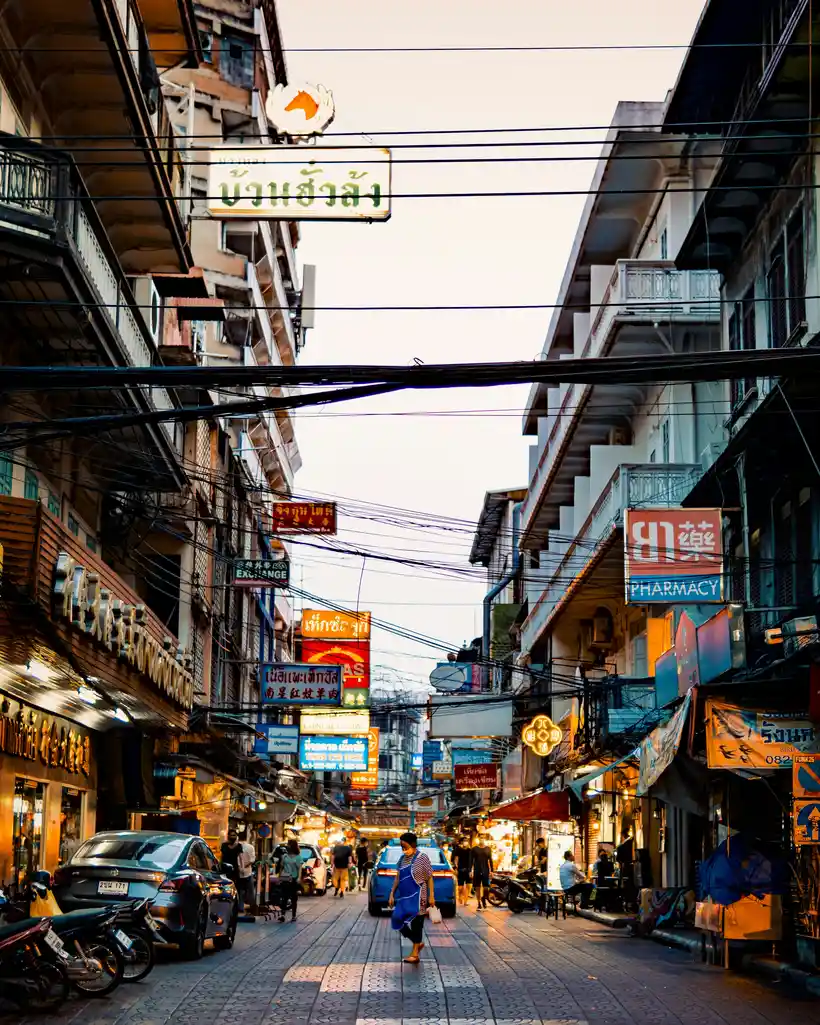
The neighbourhood changes noticeably throughout the day.
Mornings are dominated by wholesale trade, deliveries, local markets and established family businesses. In the evening, visitors arrive for restaurants, street food and the illuminated signs along Yaowarat Road.
Despite its popularity with tourists, Yaowarat has not become a conventional resort district. Much of the neighbourhood continues to operate around commerce, religion, food and multigenerational family businesses.
Is Yaowarat a good area for expats?
Yaowarat can suit expats who want to live in an older and more atmospheric part of Bangkok.
It is particularly appealing to people interested in food, architecture, photography, history and traditional urban neighbourhoods. Remote workers and residents who do not need to commute daily to the eastern side of Bangkok may also appreciate its location.
The opening of Wat Mangkon MRT station made the area considerably more accessible. Residents can travel toward Silom, Sukhumvit, Chatuchak and other parts of the city using the MRT Blue Line.
However, Yaowarat does not provide the same residential convenience as Bangkok’s established condominium districts. Modern apartments are less common, streets can be crowded and everyday journeys may require more walking through traffic and market areas.
The area is a deliberate lifestyle choice rather than the easiest default option for a new expat.
Where is Yaowarat?
Yaowarat is located in Bangkok’s historic centre, east of the Chao Phraya River and south of the main Rattanakosin Old Town area.
Yaowarat Road forms the neighbourhood’s most recognisable central route, but the wider area extends through a network of roads, markets and communities.
Nearby locations include:
- Charoen Krung Road
- Song Wat Road
- Sampeng Market
- Talat Noi
- Charoen Chai
- Odeon Circle
- Wat Traimit
- Wat Mangkon Kamalawat
- Khlong Ong Ang
These places have their own identities, but they are closely connected to the wider commercial and cultural landscape surrounding Yaowarat.
Housing and accommodation
Housing in Yaowarat differs from the large condominium developments found along Sukhumvit or around newer MRT stations.
Much of the neighbourhood consists of traditional shophouses, older apartment buildings, small residential properties and converted commercial buildings. Modern condominiums exist around the wider district, but the selection is limited compared with areas such as Asok, Phrom Phong, On Nut or Rama 9.
Some restored shophouses have been converted into attractive apartments, hotels and guesthouses. These properties can offer considerable character, although room sizes, natural light, parking and building facilities vary.
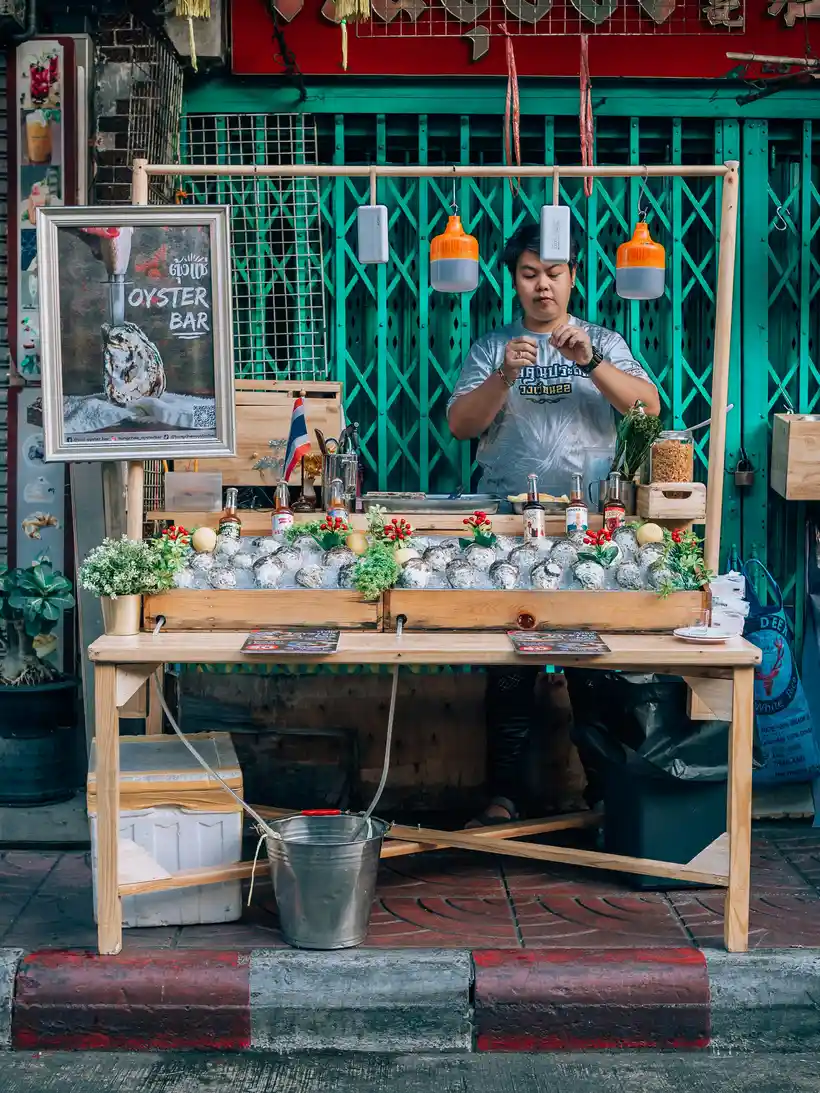
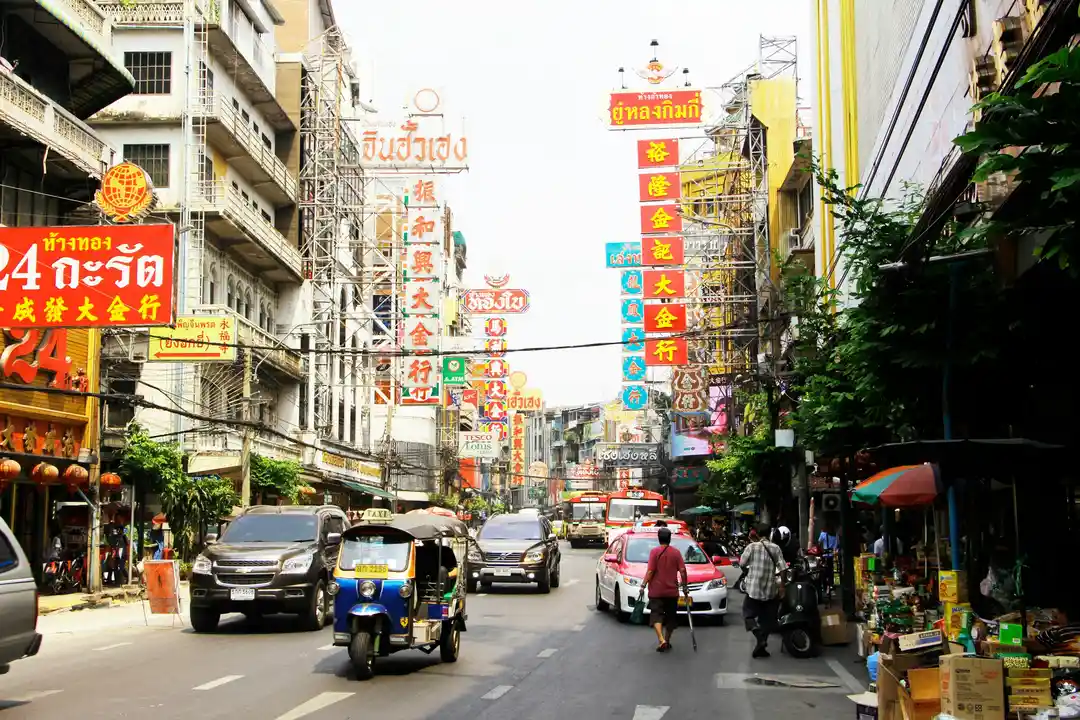
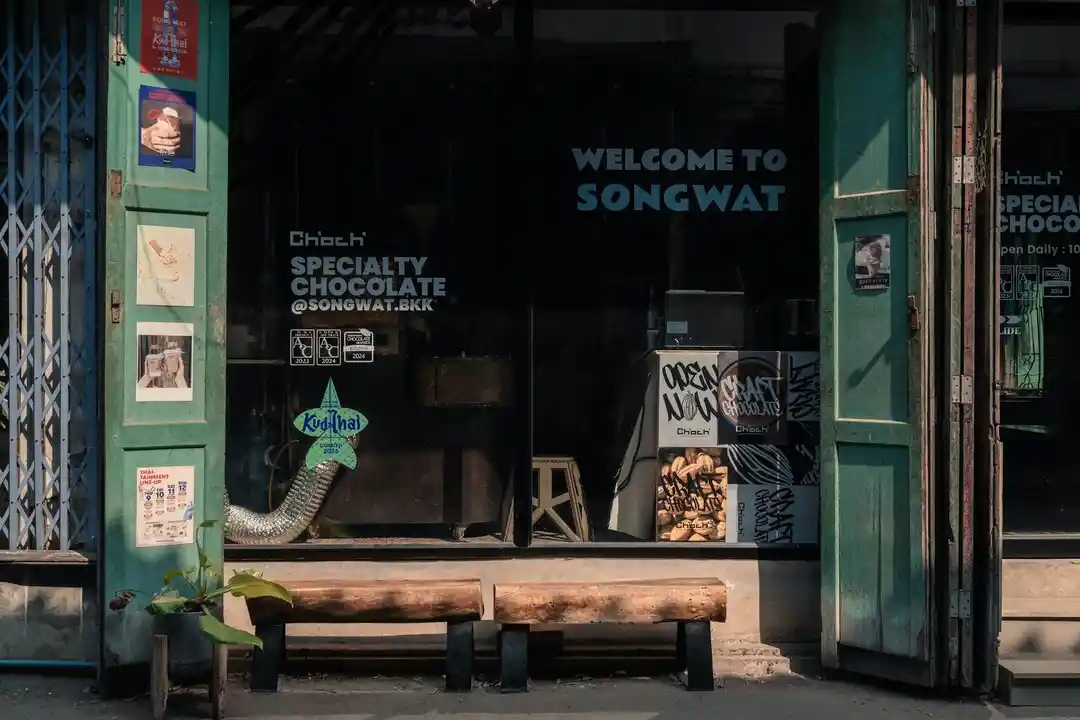
Anyone considering a long-term rental should inspect the surrounding street at different times of day. A quiet lane in the afternoon may become busy with restaurant customers, deliveries or market activity during the morning or evening.
Check whether the property provides:
- Reliable internet
- Air conditioning
- Natural light
- Washing facilities
- Secure access
- Suitable sound insulation
- Convenient access to the MRT
- Clear electricity and water charges
Yaowarat is better suited to residents who value location and atmosphere over swimming pools, gyms and extensive condominium facilities.
Getting around
Wat Mangkon MRT station is the main public transport connection for Yaowarat.
The MRT provides direct connections toward Hua Lamphong, Silom, Sukhumvit and the northern parts of Bangkok. It also connects with the BTS, airport rail services and other MRT lines at interchange stations.
Depending on the exact location, residents may also use Hua Lamphong MRT station or river transport from piers near Song Wat and Talat Noi.
Other transport options include:
- Public buses
- Taxis
- Motorcycle taxis
- Ride-hailing services
- Tuk-tuks
- Chao Phraya river boats
- Walking
Yaowarat is relatively walkable by Bangkok standards because many restaurants, markets, cafés and everyday services are concentrated within a compact area.
Walking conditions are not always comfortable, however. Pavements can be narrow or occupied, roads are busy and crossing major streets requires care.
Daily life in Yaowarat
Daily life in Yaowarat revolves around food, trade, markets and small businesses.
Convenience stores, pharmacies, laundries, banks and local shops are easy to find. Markets provide fresh food, household goods, clothing and specialist products.
The area does not have the large modern shopping centres associated with Siam or Sukhumvit. Residents looking for international supermarkets, large fitness centres or premium retail may need to travel elsewhere.
What Yaowarat offers instead is immediate access to independent businesses and specialist shops. Ingredients, tea, traditional medicine, kitchen equipment, religious items, jewellery and imported Chinese products are widely available.
The neighbourhood rewards people who enjoy shopping locally rather than relying entirely on malls.
Food and restaurants
Food is one of the main advantages of living in Yaowarat.
The neighbourhood has Thai-Chinese restaurants, noodle shops, seafood restaurants, bakeries, dim sum, dessert stalls and long-established family businesses. Food is available from early morning until late at night, although different establishments operate at different times.
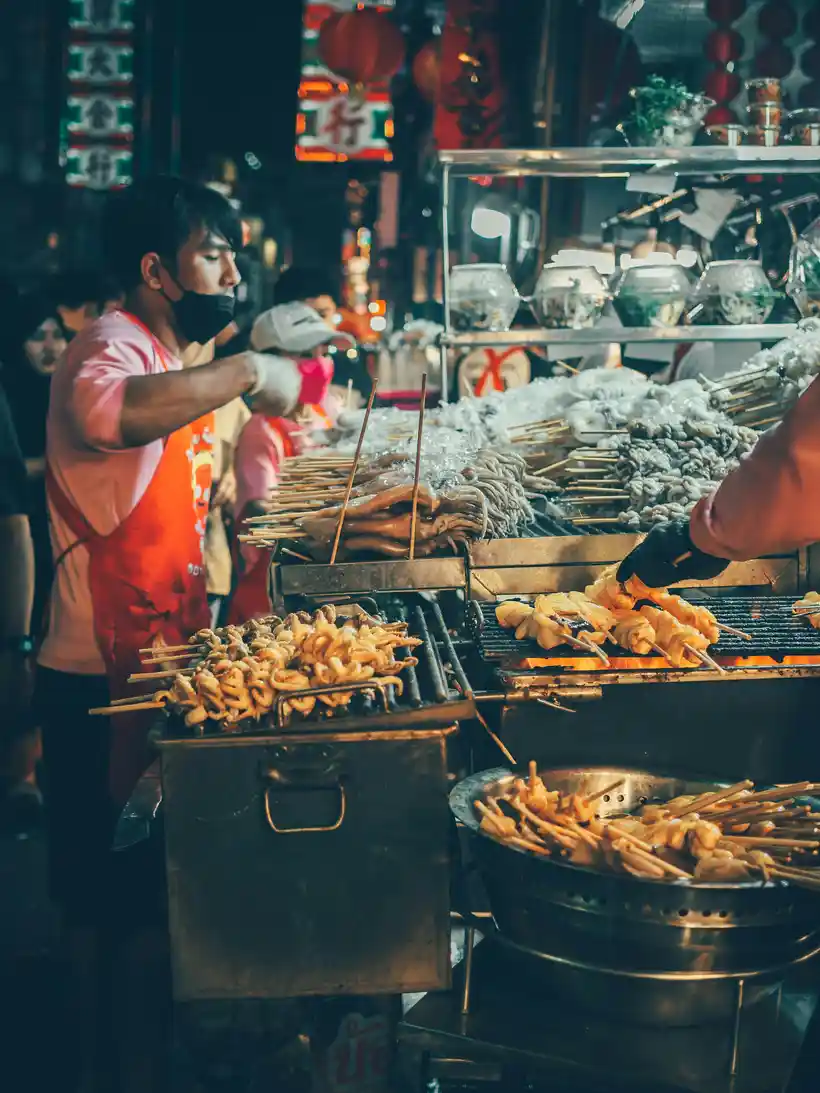
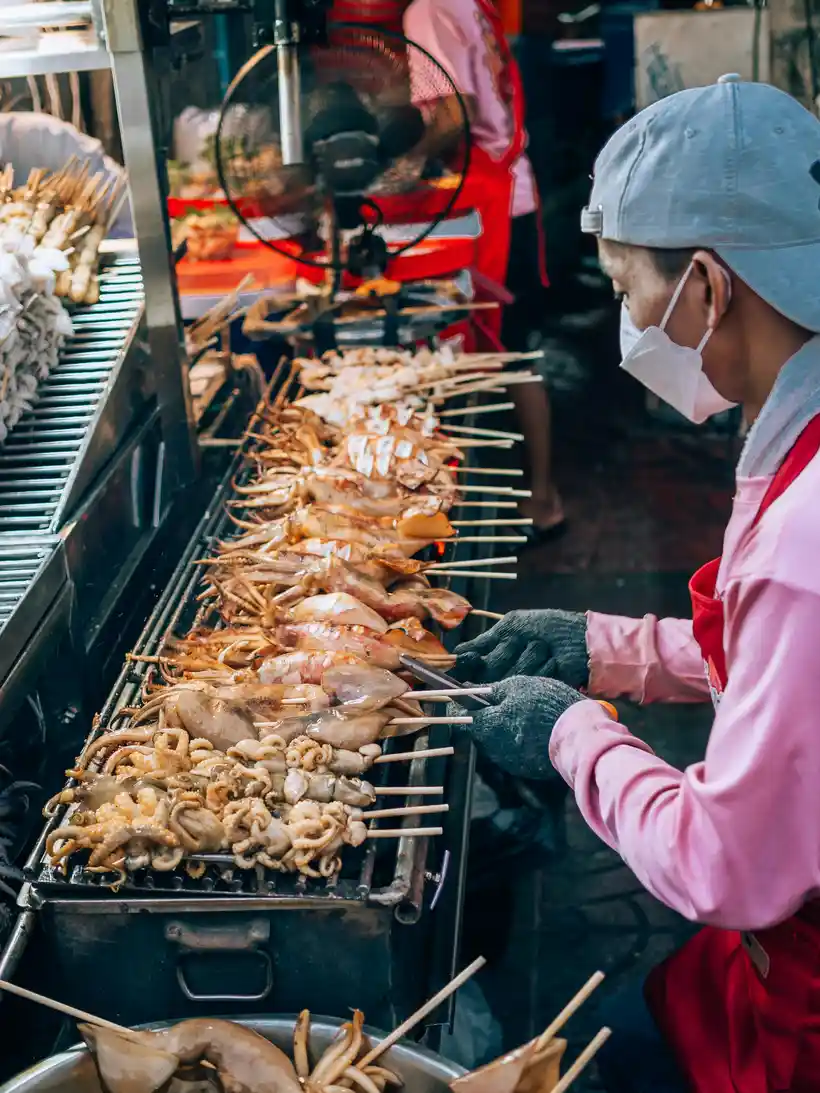
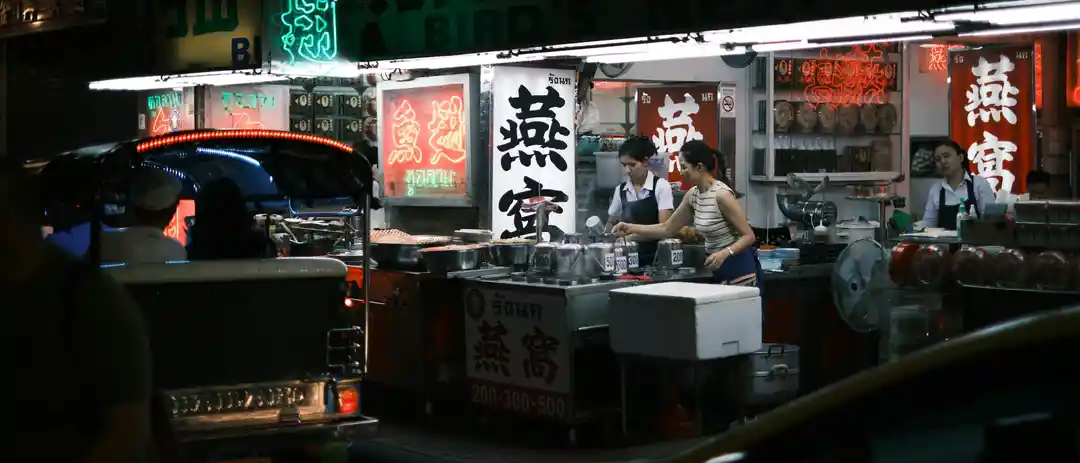
The most visible evening food scene is concentrated around Yaowarat Road. Residents can also find quieter and more local places along side streets, around Charoen Krung Road and deeper inside the surrounding neighbourhood.
Living nearby makes it possible to explore beyond the famous establishments and discover places that receive fewer short-term visitors.
However, the popularity of the area also has disadvantages. Well-known restaurants may attract queues, and streets become crowded during weekends, festivals and public holidays.
Cafés and nightlife
Yaowarat’s nightlife is more varied than its street-food reputation suggests.
Small bars, creative venues and cafés have opened inside restored shophouses throughout the wider district. Nearby Soi Nana, not to be confused with Nana on Sukhumvit, is known for intimate bars in historic buildings.
Song Wat and Talat Noi also contain cafés, restaurants, galleries and design-focused businesses. These neighbouring areas can be reached on foot from much of Yaowarat.
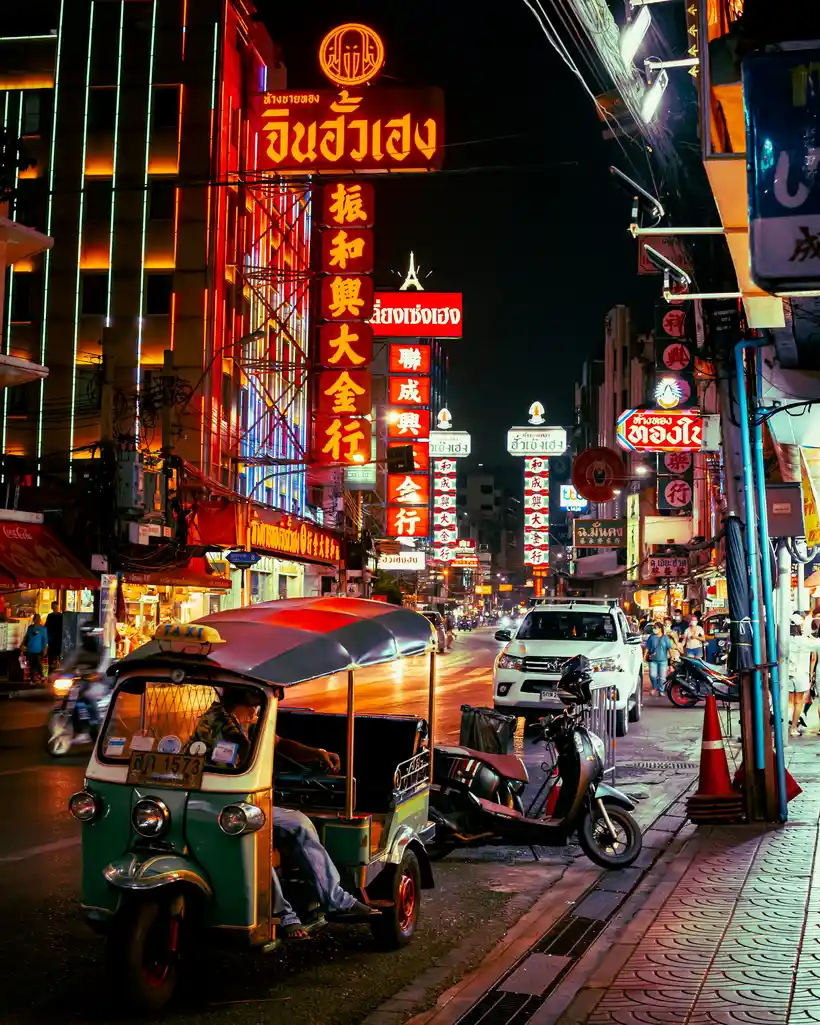
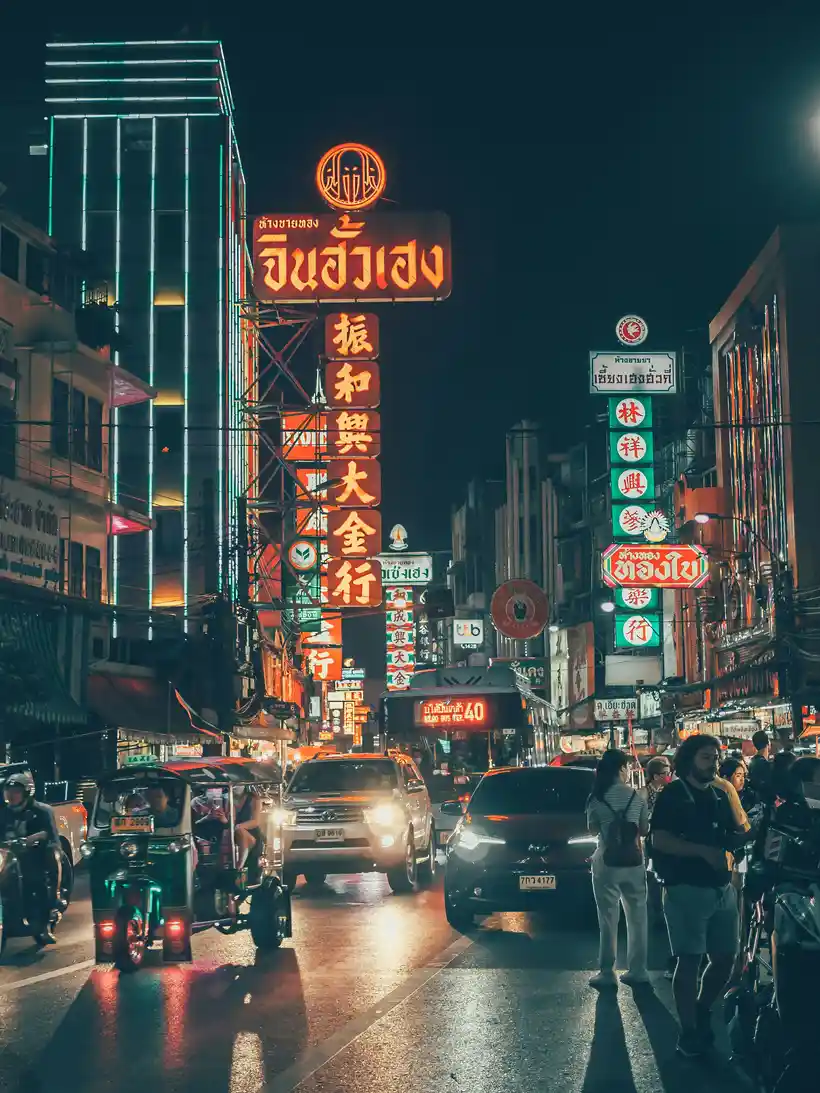
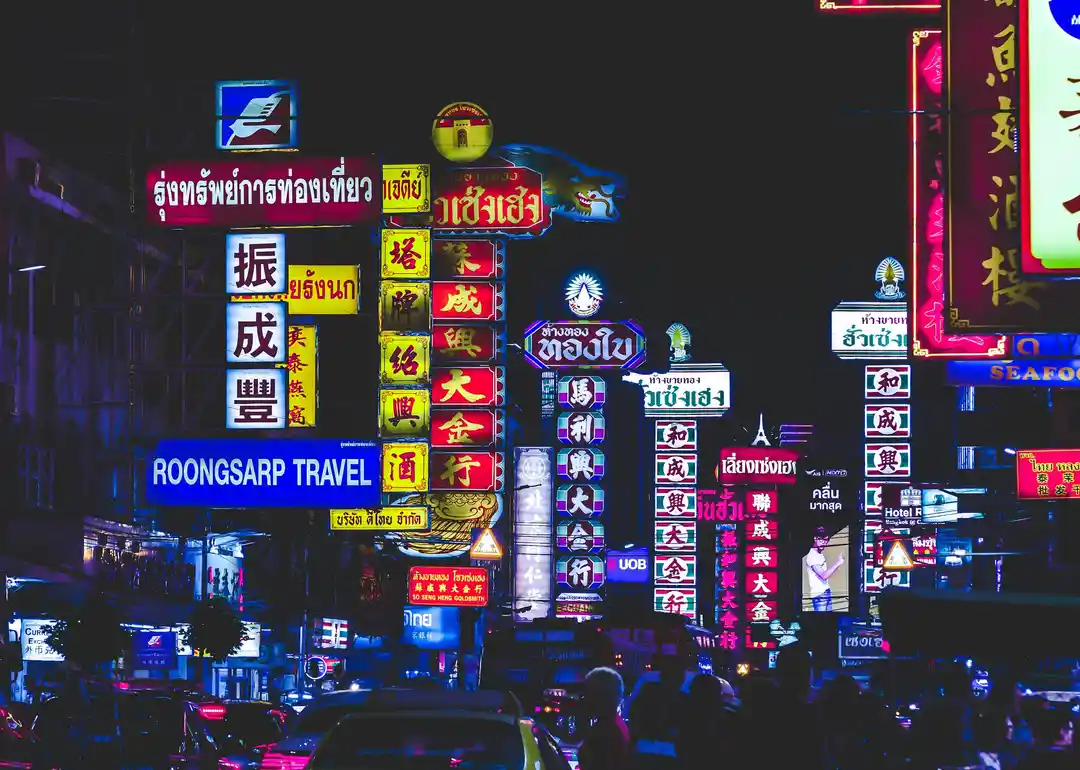
The local nightlife is generally more independent and atmospheric than the large clubs found elsewhere in Bangkok. It suits people who prefer small venues, interesting buildings and evenings centred on food and conversation.
Noise and traffic
Yaowarat is not a quiet neighbourhood.
Traffic is heavy on the main roads, while deliveries and commercial activity can begin early in the morning. Restaurants and evening visitors create additional noise after dark.
Noise levels differ considerably between streets. A property located inside a side lane may be relatively peaceful, while one facing a major road can experience traffic throughout the day.
Chinese New Year, the Vegetarian Festival and other celebrations bring particularly large crowds to the neighbourhood.
Light sleepers should pay close attention to the location and construction of any property before signing a long-term agreement.
Working remotely
Yaowarat can be an enjoyable base for remote workers who like cafés and active urban surroundings.
The neighbourhood has an increasing number of coffee shops and casual places to work. However, not every café is designed for long laptop sessions, and seating can be limited during busy periods.
Residents who work from home should prioritise reliable internet and a comfortable apartment. Traditional buildings may have unusual layouts, limited desks or weaker sound insulation than modern condominiums.
Coworking options are more extensive around Sam Yan, Silom and central Bangkok, all of which are accessible using the MRT.
Advantages of living in Yaowarat
Yaowarat offers a strong identity and a sense of history that many modern Bangkok neighbourhoods lack.
Its main advantages include:
- Direct access to the MRT
- Exceptional food choices
- Historic architecture and streets
- Markets and independent businesses
- Proximity to the Old Town and river
- A growing café and creative scene
- Good access to Silom and central Bangkok
- A compact and relatively walkable layout
The area is particularly rewarding for residents who enjoy exploring on foot and discovering small businesses.
Disadvantages of living in Yaowarat
Yaowarat also presents practical compromises.
Potential disadvantages include:
- Limited modern condominium choices
- Heavy traffic
- Crowded pavements
- Noise from commerce and restaurants
- Fewer large supermarkets and malls
- Limited parking
- Older buildings with variable facilities
- Large visitor numbers during evenings and festivals
Families requiring international schools, large homes and extensive recreational facilities will generally find more suitable areas elsewhere.
Who should live in Yaowarat?
Yaowarat may suit:
- Food lovers
- Remote workers
- Photographers and creative professionals
- Residents interested in Bangkok’s history
- People who prefer independent businesses to malls
- Expats working near Silom or the Old Town
- People comfortable living in a dense urban environment
It may not suit:
- Light sleepers
- Families seeking large condominiums
- People who drive regularly
- Residents wanting modern residential facilities
- Anyone who dislikes crowds and street activity
- Workers commuting daily to distant parts of Bangkok
Yaowarat compared with other Bangkok areas
Yaowarat feels older, denser and more commercially active than most popular expat neighbourhoods.
Compared with Sukhumvit, it has fewer modern apartments and international services but considerably more historic character.
Compared with Banglamphu, Yaowarat has the important advantage of direct MRT access and stronger connections to central business areas.
Compared with Ari, it is busier, less residential and more densely developed. Compared with Talat Noi, it is more commercial and has a much larger evening food scene.
The right choice depends on whether you prioritise convenience, residential comfort or neighbourhood character.
Is Yaowarat a good place to live?
Yaowarat can be a fascinating place to live, but it is not the easiest Bangkok neighbourhood for every expat.
It offers outstanding food, direct MRT access and one of the city’s strongest historic identities. At the same time, housing choices are limited, traffic is constant and the neighbourhood receives large numbers of visitors.
For people who deliberately want to live within an older, active and culturally distinctive part of Bangkok, Yaowarat can be highly rewarding.
For those seeking a quiet condominium, extensive facilities and effortless daily convenience, another area will probably be more suitable.
Where Yaowarat fits in Bangkok
The guide places it in Samphanthawong district, so the district page is useful for official context while this page stays focused on how the area works on the ground. In this guide, Yaowarat is most useful for sightseeing route planning; the largest connected set is 9 restaurant listings.
Bangkok Chinatown is one of the linked reference points here: Bangkok Chinatown is the visitor-facing Yaowarat district experience, combining Yaowarat Road street food, Chinese temples, markets, gold shops, Song Wat, and Talat Noi.
Transport and daily movement in Yaowarat
For movement, Yaowarat currently has 1 linked station and MRT access. The first station context to check is MRT BL29 Wat Mangkon; the linked station cards below show the exact line, code, district links, and nearby places rather than just a map pin.
My Bangkok read: if your day depends on Yaowarat, choose the linked station or nearby place that matches the actual errand. A hotel, restaurant, mall, and temple can all sit in the same broad area but still use different exits, roads, or approaches.
Food, shopping, and nearby places in Yaowarat
Use the restaurant listings below for named places in Yaowarat, including rating data and linked venue pages where available. The shopping listings below show the linked malls, markets, or retail pages connected to this area.
The attraction listings below are the best starting point for sightseeing context in this area. No accommodation page is attached here yet, so do not choose this area for a stay without comparing nearby hotel clusters.
MRT Stations in Yaowarat
Google Rating
537 reviews
Restaurants in Yaowarat
Restaurant Listings
Sorted by Google rating, then review count. Confirm opening hours and booking rules before you go.
Choen
Thai restaurant in Bangkok, recommended in the Michelin Guide.
Google Rating
106 reviews
Delia
Mexican restaurant in Bangkok, recommended in the Michelin Guide.
Google Rating
315 reviews

1 Michelin Star
Potong
One-Michelin-star progressive Thai-Chinese restaurant in a five-storey heritage building in Yaowarat (Chinatown) — named after the Chinese gold shops that line the street.
Google Rating
707 reviews

Google Rating
578 reviews
Chop Chop Cook Shop
Thai-Chinese restaurant in Bangkok, recommended in the Michelin Guide.
Google Rating
481 reviews
Khao San Sek
Thai restaurant in Bangkok, recommended in the Michelin Guide.
Google Rating
262 reviews
Google Rating
906 reviews
Google Rating
870 reviews
Jok's Kitchen
Thai-Chinese restaurant in Bangkok, recommended in the Michelin Guide.
Shopping in Yaowarat
Sampeng Lane
Google Rating
985 reviews
A narrow, kilometre-long wholesale alley in Chinatown selling cheap accessories, fabrics, toys, and household goods in bulk.
Attractions in Yaowarat

Bangkok Chinatown is the visitor-facing Yaowarat district experience, combining Yaowarat Road street food, Chinese temples, markets, gold shops, Song Wat, and Talat Noi.

Wat Traimit
Google Rating
22,494 reviews
Home to the world's largest solid gold Buddha image, a 5.5-tonne statue accidentally discovered under a plaster exterior in the 1950s.