The cost of living in Bangkok depends less on the city average and more on your lifestyle structure. Rent, school fees, private healthcare, insurance, imported groceries, taxis, and nightlife can make two people in the same area spend very different amounts.
Use this page as a budgeting framework, not a fixed price table. Current prices change by building, area, exchange rate, school, hospital, and personal habits, so verify real costs before signing contracts or relocating a family.
The biggest cost drivers
Start with the costs that are hard to change quickly:
- rent and building fees
- school or university costs
- health insurance and medical care
- commute pattern
- visa, work, study, or family paperwork
- imported groceries, alcohol, and Western dining
- domestic help, childcare, or pet care if needed
Street food, local markets, public transport, and simple local services can be affordable. Prime condos, international schools, private cars, frequent taxis, and imported products can move the budget in the opposite direction.
Rent and housing
Housing is usually the main monthly cost for a newcomer. The same rent can feel reasonable or painful depending on location, building quality, distance to rail, commute time, and whether the apartment actually supports your daily routine.
Before comparing rent, compare the total housing situation:
- deposit and advance rent
- contract length
- furniture and appliance condition
- internet setup
- electricity use, especially air conditioning
- water, building, or service charges
- repairs and owner responsiveness
- taxi access and walkability in rain
Use the best areas to live in Bangkok guide before assuming cheaper rent farther out is automatically better. A cheaper home can become expensive if it adds taxis, time, stress, and failed commutes.
Food and groceries
Food costs vary widely. Local Thai meals, markets, and mall food courts can keep daily spending controlled. Imported groceries, specialty diets, delivery apps, international restaurants, and alcohol can raise costs quickly.
A useful budget test is to split food into three lines:
- everyday local meals
- groceries and home cooking
- restaurants, delivery, cafes, and nights out
People often underestimate the third line because Bangkok makes casual spending very easy.
Transport and commuting
Transport can be modest if your life is built around BTS, MRT, walking short distances, and occasional taxis. It becomes more expensive when you need daily ride-hailing, long taxi routes, school runs, or frequent cross-city travel.
Do not compare homes only by distance on a map. Test the route at the time you will actually travel. A short trip in clear traffic can become a slow routine during rush hour or rain.
If work is the reason for the move, compare this page with working in Bangkok. If children are part of the move, the school run should be part of the budget.
Schools and family costs
Families need a different budget from single adults or couples. School fees, application fees, transport, uniforms, activities, tutors, insurance, larger housing, and healthcare can become the real budget center.
Start with schools and education in Bangkok and raising a child in Bangkok before choosing an area. The cheapest suitable home may not be the cheapest family setup if the school route is difficult.
Healthcare and insurance
Bangkok has strong private healthcare, but private care should still be budgeted seriously. Insurance, outpatient care, dental work, prescriptions, annual checkups, vaccinations, and emergency treatment all belong in the plan.
Read the Bangkok hospitals guide before assuming every hospital visit will be simple or cheap. If you are retiring, moving with children, or managing a chronic condition, healthcare should be one of the first budget lines.
Setup costs in the first months
The first months usually cost more than the normal monthly rhythm. Budget for overlap and mistakes.
Common setup costs include:
- temporary accommodation
- rental deposit and first rent payment
- household items the unit does not include
- SIM, internet, and subscriptions
- document copies, translations, photos, and transport to offices
- school or course application costs
- insurance start dates and medical checks
- replacing things you thought you could bring later
Keep an emergency fund separate from lifestyle money. Delays, rejected paperwork, lease changes, and health issues are easier to handle when the budget is not already stretched.
Lifestyle creep
Bangkok makes small upgrades easy: more taxis, more delivery, more cafes, better gyms, imported groceries, weekend trips, rooftop bars, and a nicer condo than planned.
None of those are wrong, but they should be visible in the budget. If the move depends on Bangkok being cheap, track spending carefully for the first three months.
Budget by life stage
A single remote worker, an English teacher, a regional executive, a student, a family with school-age children, and a retiree are not budgeting for the same Bangkok.
Use the guide that matches your situation:
- Working in Bangkok for salary, commute, and employer-linked admin.
- Studying in Bangkok for tuition, housing, and school paperwork.
- Raising a Child in Bangkok for school, healthcare, housing, and routines.
- Retiring in Bangkok for healthcare, insurance, visa planning, and daily comfort.
My Bangkok advice
Budget Bangkok from the fixed costs outward. Rent, school, insurance, healthcare, and commute shape the life you can actually afford.
If those numbers work, the city can be flexible. If they do not, cheap meals and occasional savings will not rescue the plan.
Related Areas for Cost of Living in Bangkok
Ari is one of Bangkok's most popular areas for cafes, restaurants, low-rise streets, and a relaxed but central lifestyle.
Phrom Phong is a polished central area known for luxury malls, Benchasiri Park, and a large Japanese expat community.
Ratchada is a lively urban area known for nightlife, shopping, offices, and a more modern commercial feel beyond Sukhumvit.

Sathorn is a major business and residential area with embassies, high-rise condos, offices, and upscale dining.

Silom is one of Bangkok's best-known business and nightlife areas, popular for offices, restaurants, bars, and urban convenience.
One of Bangkok's most upscale areas, Thonglor is known for nightlife, dining, boutique shopping, and a strong Japanese influence.
Related Stations for Cost of Living in Bangkok

Google Rating
5,116 reviews

Google Rating
1,193 reviews
Google Rating
185 reviews
Google Rating
346 reviews
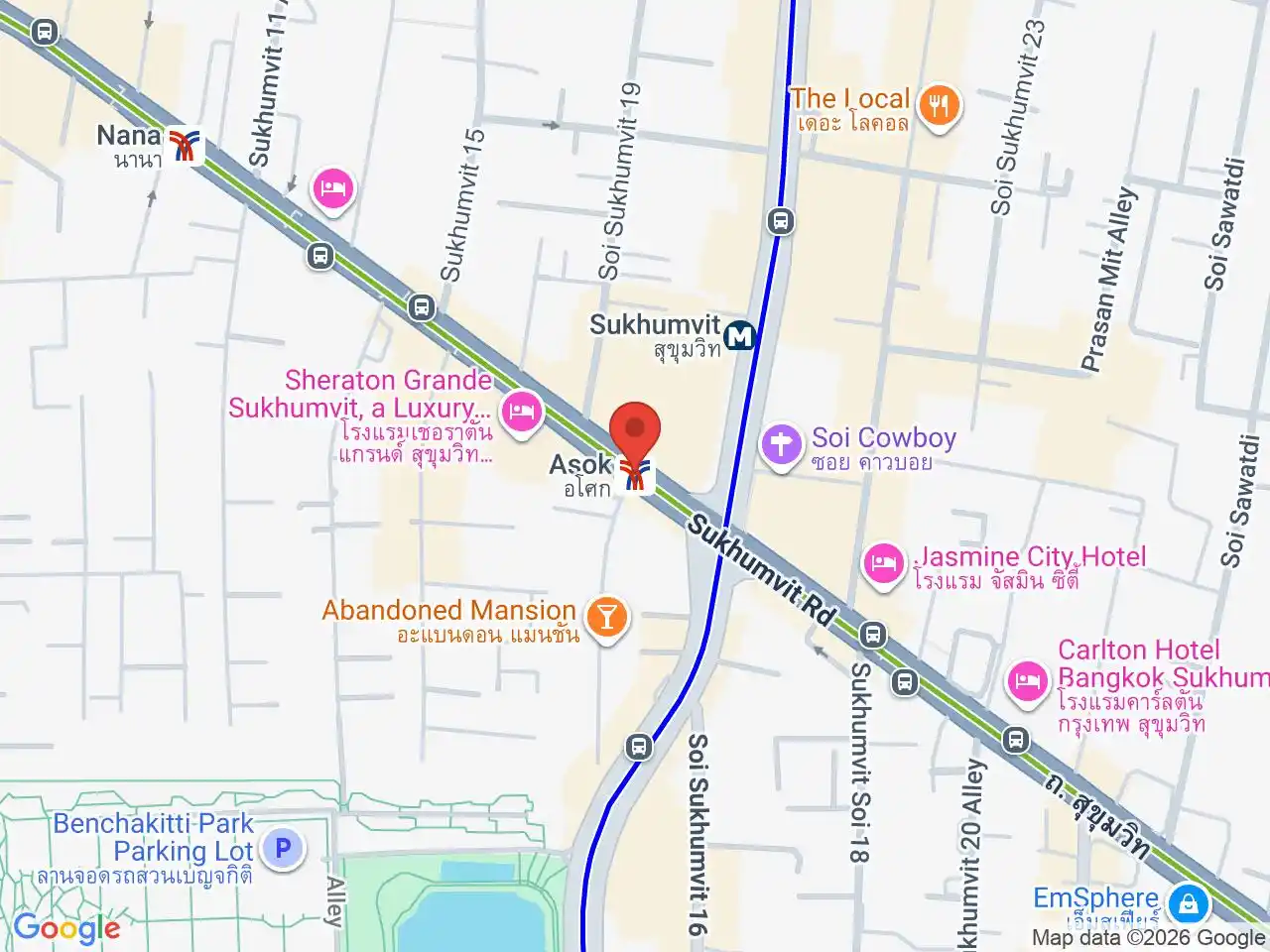
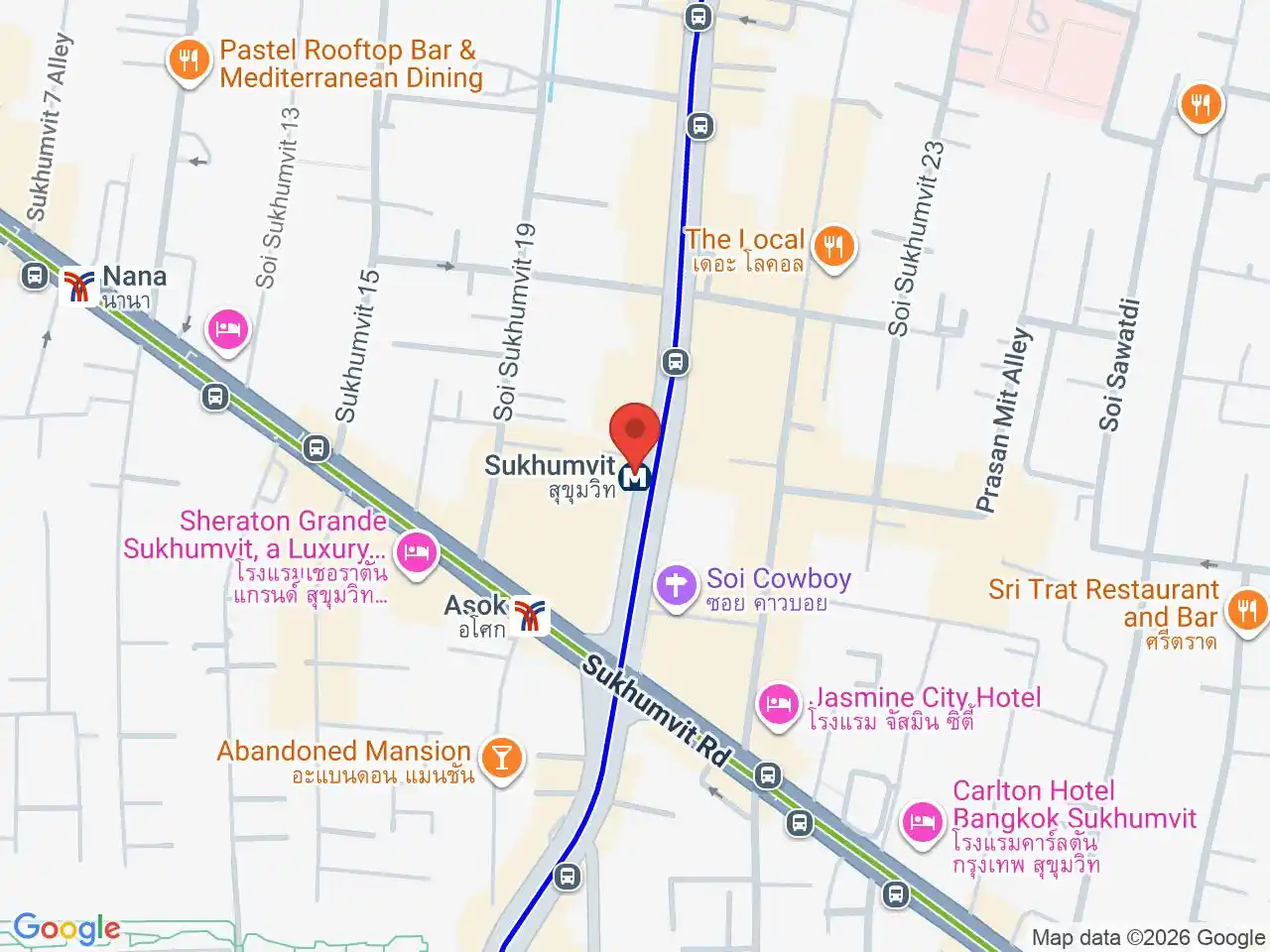
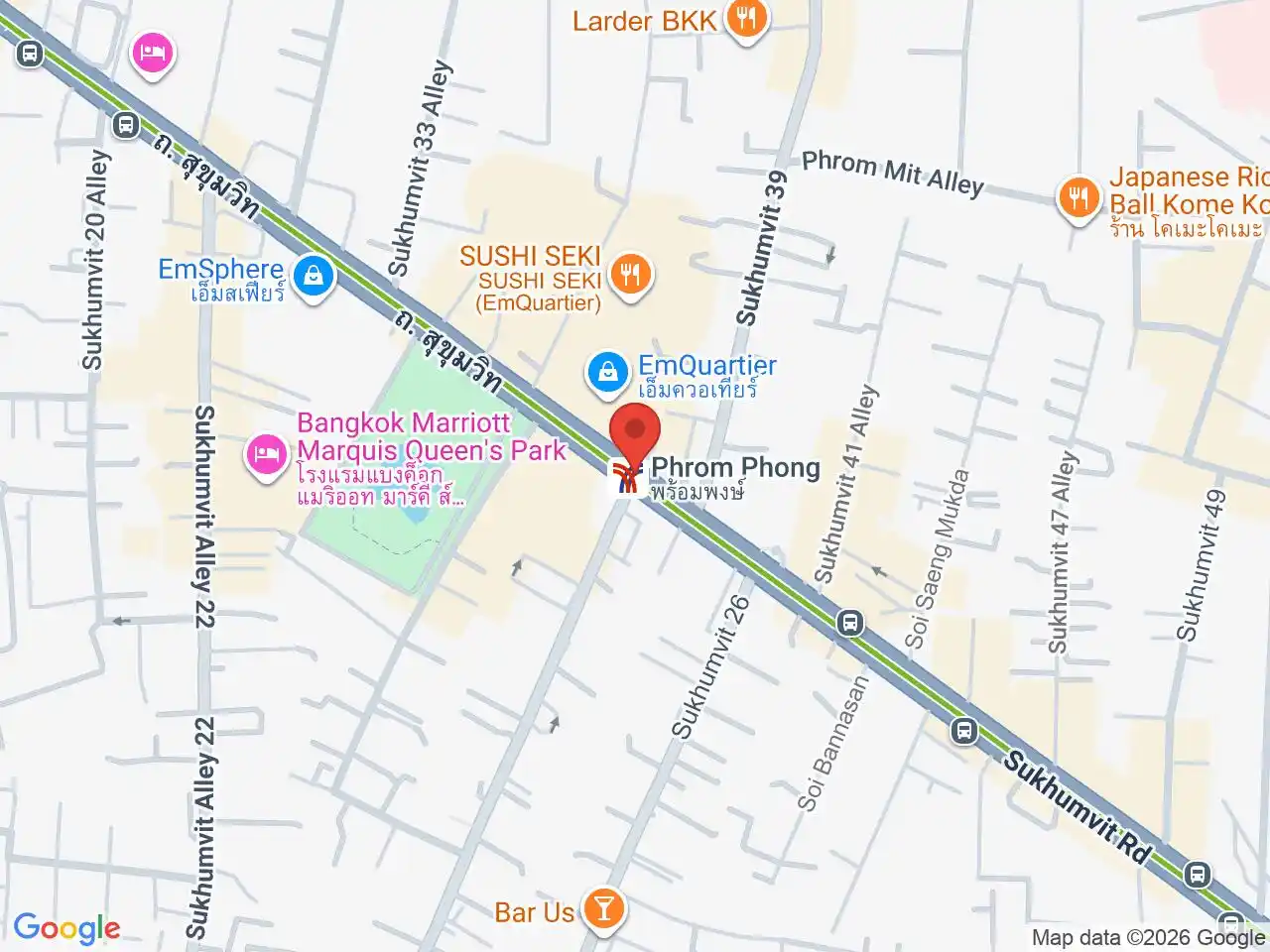
Station map
BTS E6 · Thonglor
Local map not available yet