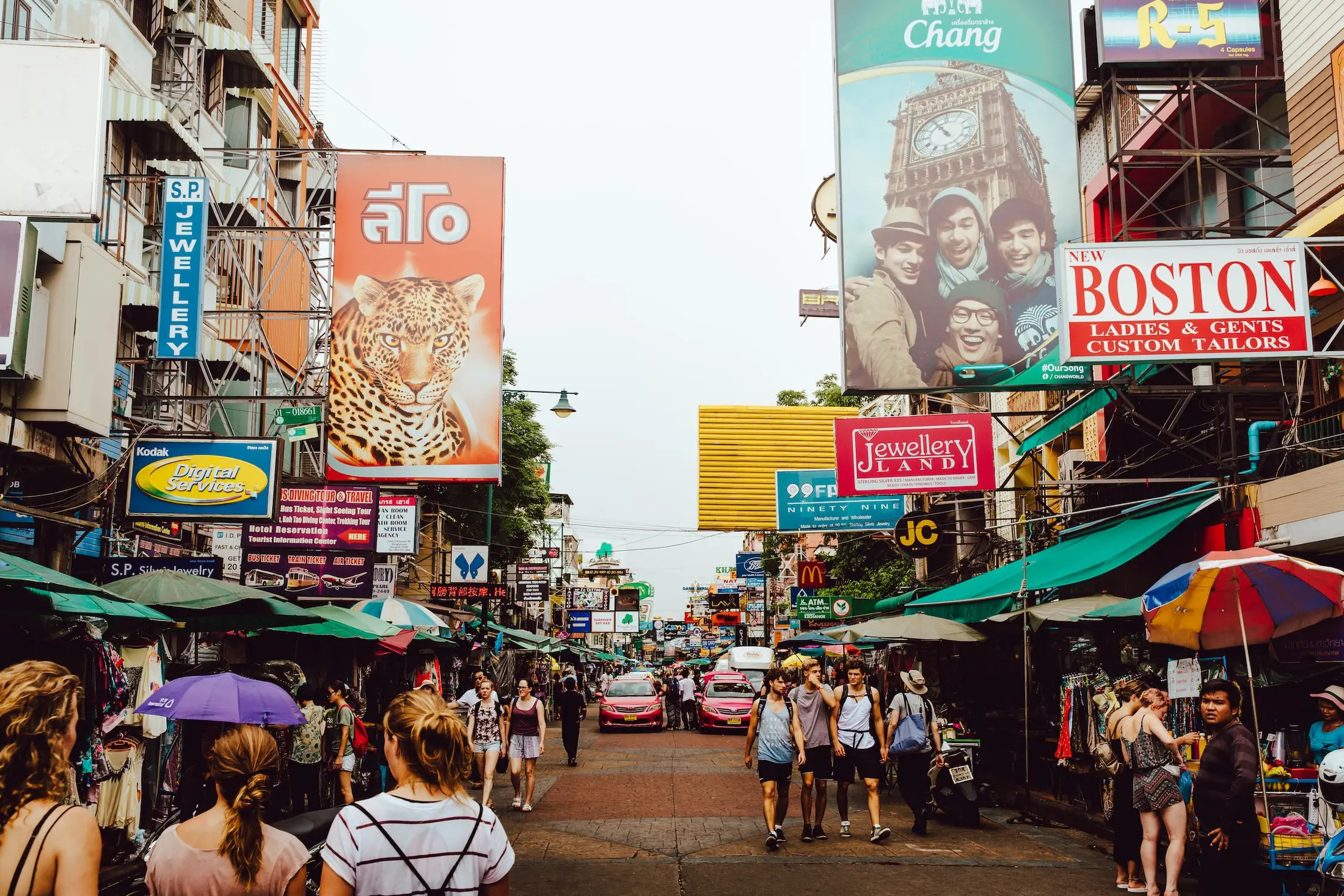
Bangkok can work well for retirement if you want city life, private healthcare, good food, and easy travel. It is less ideal if you want quiet streets, clean air all year, or a slow beach-town rhythm.
The practical questions come first: visa route, health insurance, housing, budget, and how close you need to be to hospitals and transit.
Retirement visas and paperwork
Thailand has long-stay options for retirees, but requirements can change. Age, finances, insurance, documents, and reporting rules may all matter.
Check the current process with Thai Immigration, your embassy, or a qualified adviser before making financial decisions.
Keep copies of every important document. Passport pages, bank letters, lease details, insurance records, and reporting receipts can all become useful.
Cost of living
Bangkok can be cheaper than many Western cities, but it is not automatically cheap. Lifestyle choices make a large difference.
Local food, public transport, and a modest condo can keep costs controlled. Imported food, private cars, luxury buildings, and frequent hospital visits can raise the budget quickly.
Healthcare
Healthcare is one of Bangkok’s biggest advantages for retirees. Private hospitals are easy to access and often have English-speaking staff.
The downside is cost. Make sure your insurance still works as you age and that it covers the hospitals you are likely to use.
Where to live
Many retirees prefer areas with easy rail access, hospitals, supermarkets, parks, and familiar daily services.
Sukhumvit, Silom, Sathorn, Ari, and riverside areas can all work, depending on budget and lifestyle. Test the area before signing a long lease.
Daily life
Bangkok gives you restaurants, temples, malls, markets, cinemas, parks, and travel connections. It is hard to be bored.
It is also hot, loud, crowded, and sometimes tiring. Air quality and traffic are real issues, especially if you have health concerns.
Social life
Bangkok has expat groups, hobby groups, gyms, language classes, and community events. It is possible to build a good social routine.
Learning basic Thai helps. Even a little effort makes daily life warmer and smoother.
My Bangkok advice
Try Bangkok for a few months before retiring here fully. Live in the area you are considering, use the nearest hospital, shop locally, and test the commute to places you visit often.
Retirement works best when Bangkok is comfortable on normal days, not just exciting on arrival.
Retiring in Bangkok Frequently Asked Questions
What visa do I need to retire in Bangkok?
The most common option for retirees is the Non-Immigrant O-A visa (Long Stay), which requires being at least 50 years old and meeting financial requirements — currently 800,000 THB in a Thai bank account or a combination of pension income and savings. Rules, financial thresholds, and reporting requirements change regularly. Confirm current requirements with the Thai Embassy in your country or the Thai Immigration Bureau.
How much does it cost to retire in Bangkok?
A comfortable retired lifestyle in Bangkok typically costs 60,000–120,000 THB per month, depending on where you live, how often you travel, your healthcare spending, and your habits around food, entertainment, and transport. Budget-conscious retirees living in mid-range condos and eating locally can live on less. Private health insurance is a major variable cost.
Is healthcare good enough for retirees in Bangkok?
Bangkok has some of Southeast Asia's best private hospitals, with English-speaking doctors and relatively affordable costs compared to Western countries. Bumrungrad, Bangkok Hospital, and Samitivej are among the most-used by expats. The key is getting comprehensive private health insurance before you arrive — do not rely on walking in as a self-payer for serious procedures.
Can I own property as a retiree in Bangkok?
Foreigners generally cannot own land in Thailand but can own condominium units within the foreign ownership quota (49% of total units per building). Most retirees rent long-term or buy a condo. Use a qualified Thai lawyer before paying any deposit or signing any contract.
Related Attractions for Retiring in Bangkok
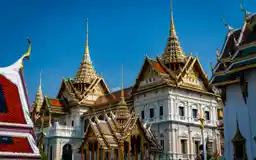
Grand Palace
Google Rating
79,831 reviews
Bangkok's most iconic royal complex featuring the sacred Emerald Buddha and stunning Thai architecture spanning over 200 years of history.
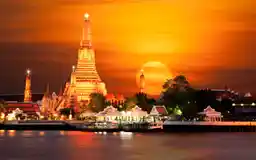
Wat Arun
Google Rating
108 reviews
The Temple of Dawn with its towering porcelain-encrusted spire is one of Bangkok's most photogenic landmarks on the Thonburi riverside.

Wat Pho
Google Rating
38,057 reviews
Home to the massive 46-metre Reclining Buddha and Thailand's oldest traditional massage school, just south of the Grand Palace.