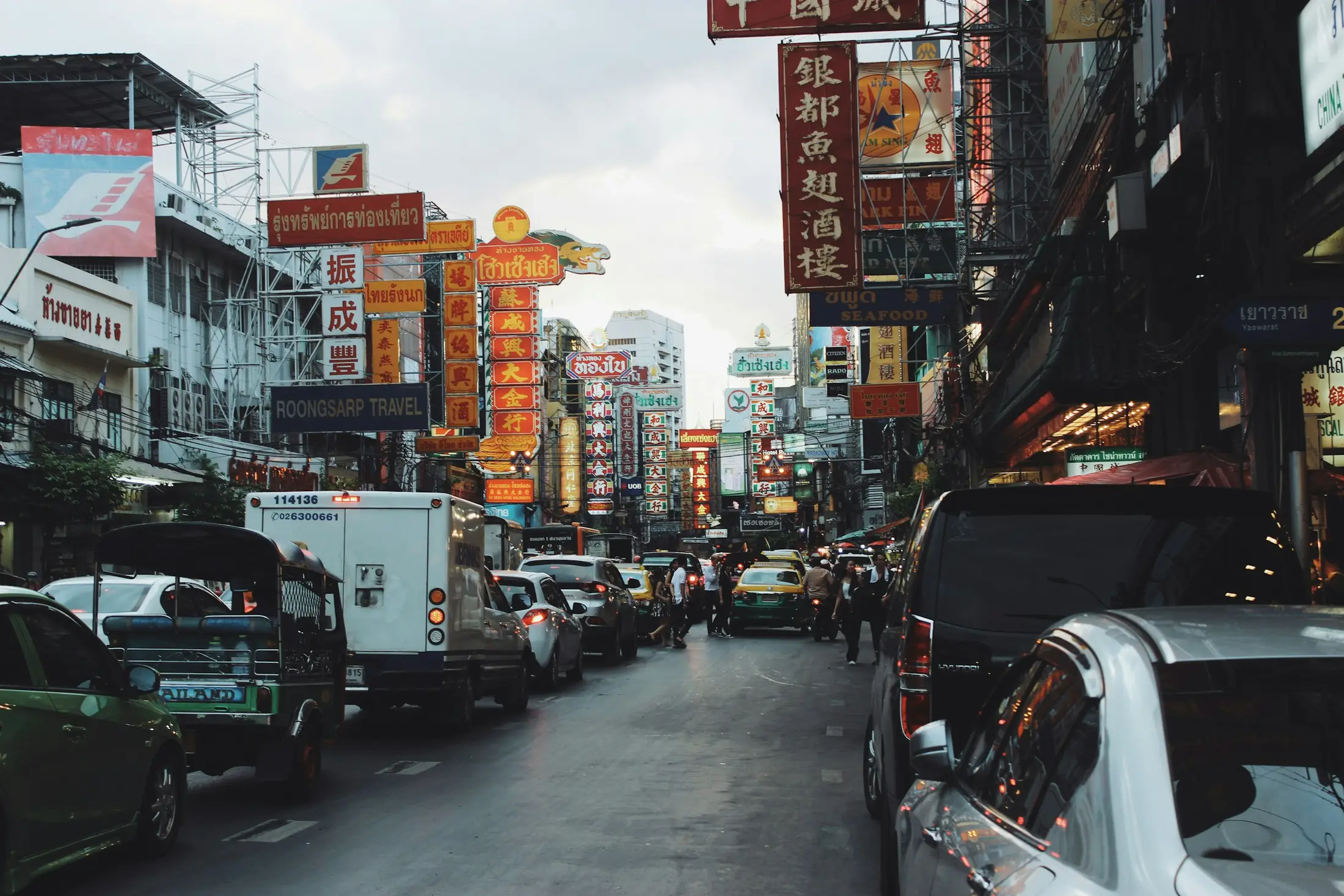
Bangkok’s Chinatown grew from Chinese migration, river trade, labor, temples, markets, gold shops, food businesses, and shophouse streets. Yaowarat Road later became the most visible spine of that district.
In Bangkok history, Chinatown matters because it shows Bangkok as a trading city, migrant city, food city, and commercial city, not only a royal capital.
Why Chinese communities mattered
Chinese merchants, laborers, craftspeople, and families played a major role in Bangkok’s economic growth. Their communities connected river trade, rice commerce, markets, temples, clan associations, medicine shops, gold shops, and food businesses.
This history is not separate from Thai history. Chinese-Thai identity became deeply woven into Bangkok’s food, business, politics, and neighborhood life.
Yaowarat as a street
Yaowarat Road is now best known by visitors for evening street food and neon signs, but its importance is older than that. The road and nearby lanes connect gold shops, old restaurants, shrines, wholesale streets, pharmacies, side alleys, and shophouses.
The best way to understand it is to walk beyond the main road. Talat Noi, Charoen Krung, Sampeng, and the side streets near Wat Mangkon all add texture.
How to visit it
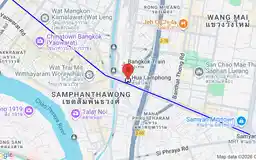
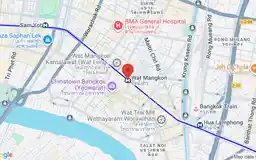
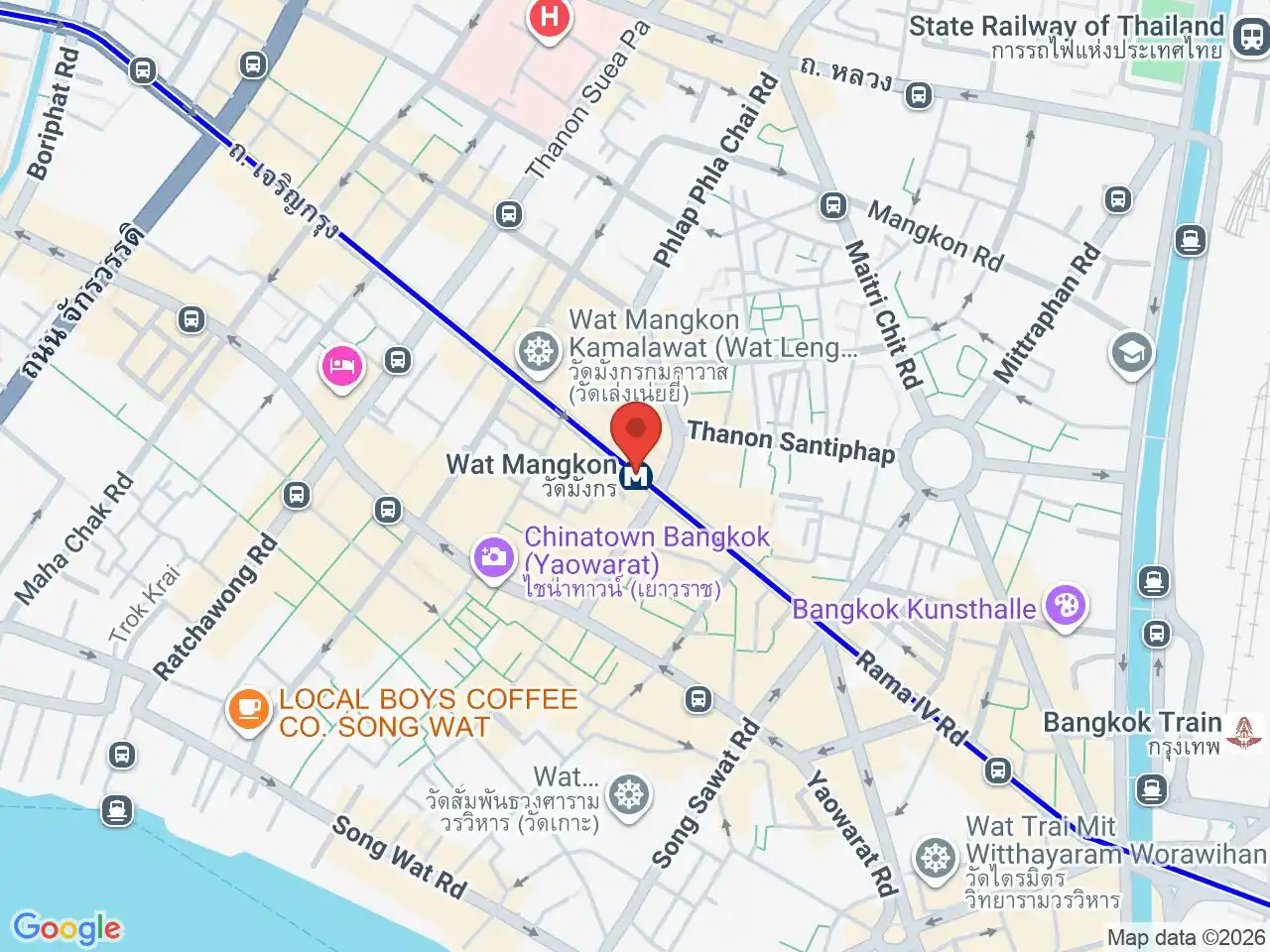
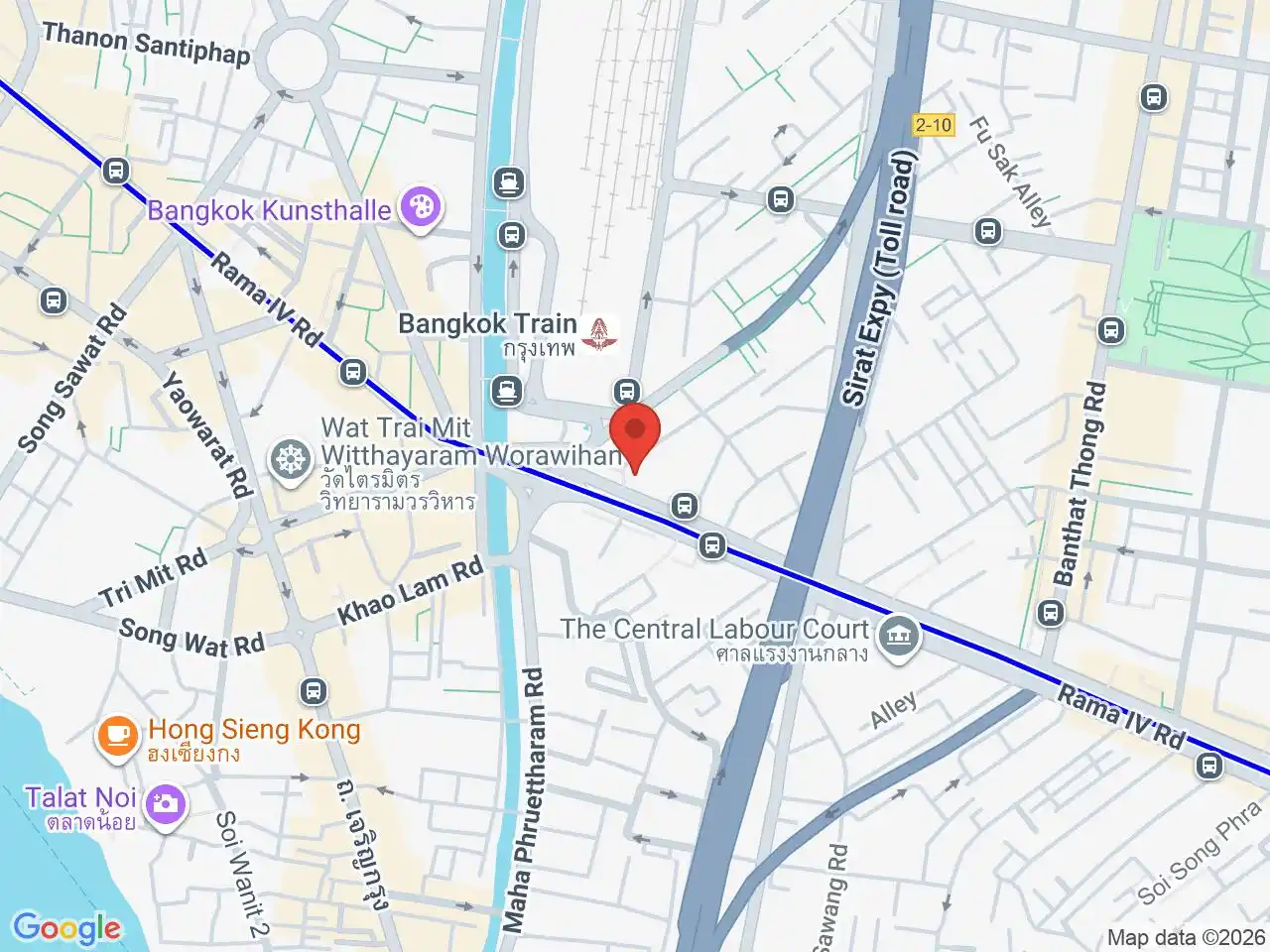
Use Wat Mangkon MRT for the core Yaowarat area or Hua Lamphong MRT for Chinatown Gate and Wat Traimit.
For practical food planning, pair this page with the Yaowarat Road guide and the Bangkok street food guide.
Related Areas for Bangkok Chinatown and Yaowarat History
Yaowarat is Bangkok's historic Chinatown area, useful for living, food, markets, temples, old shophouses, accommodation choices, and MRT access.
Talat Noi is a characterful old area known for street art, heritage buildings, workshops, and a growing creative scene.
Charoen Krung is one of Bangkok's most historic roads, now known for creative spaces, galleries, riverside hotels, and heritage architecture.
Related Stations for Bangkok Chinatown and Yaowarat History
Google Rating
762 reviews
Google Rating
509 reviews
Related Attractions for Bangkok Chinatown and Yaowarat History
Wat Traimit
Google Rating
22,429 reviews
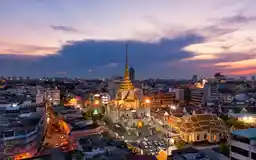
Home to the world's largest solid gold Buddha image, a 5.5-tonne statue accidentally discovered under a plaster exterior in the 1950s.