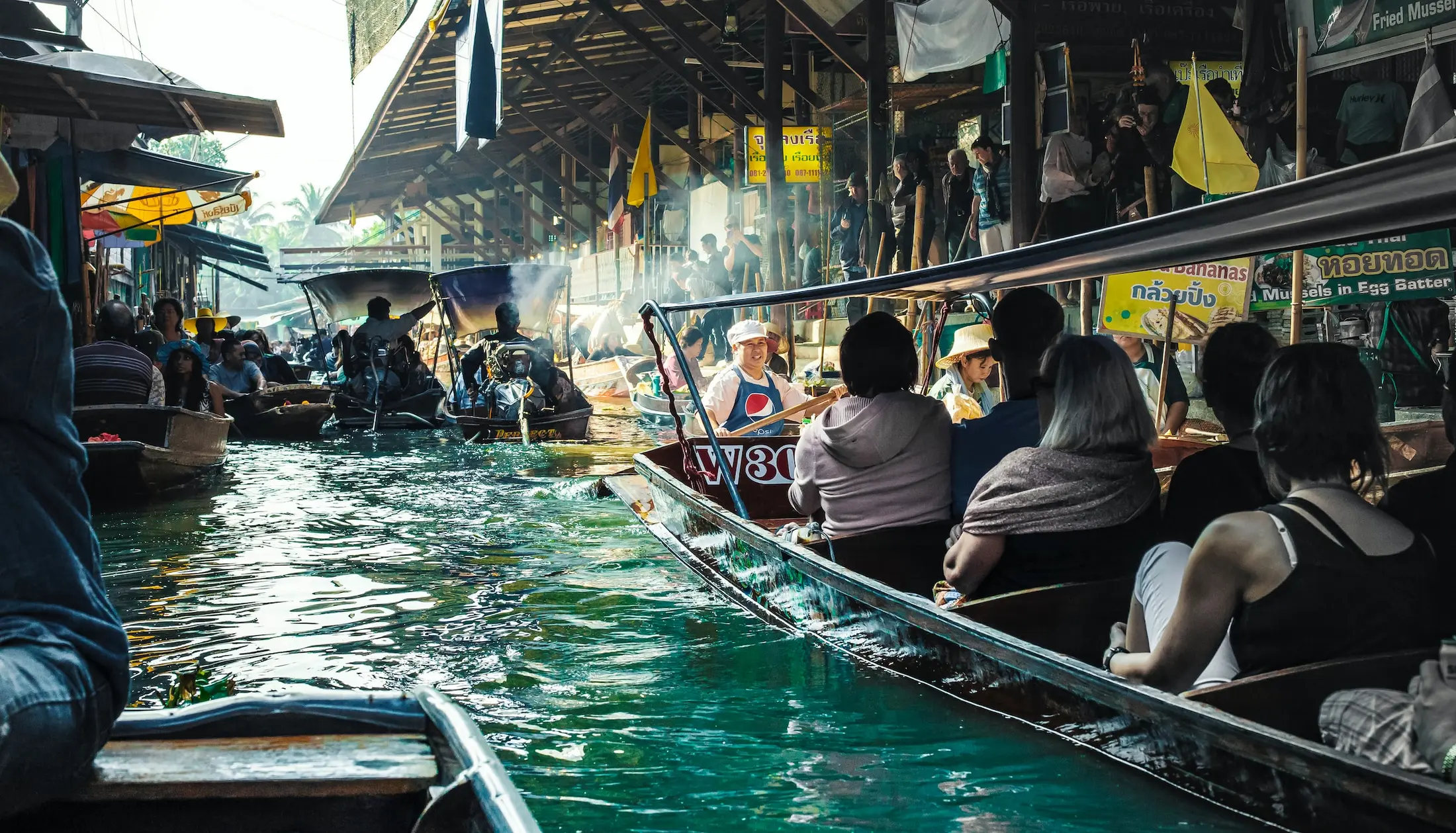
Bangkok was once organized around water. Canals, known as khlongs, carried people, food, goods, news, and religious life through the city before roads became dominant.
This canal layer is essential to Bangkok history because it explains why old temples face water, why markets developed along routes of movement, and why the Chao Phraya still feels like a working spine rather than a scenic border.
How canals shaped daily life
For much of old Bangkok, water was practical infrastructure. Boats moved faster than carts or walking routes through wet lowland terrain. Houses, shops, orchards, temples, and markets often related directly to canals and the river.
Food culture also grew from this pattern. Produce, cooked food, fish, flowers, and household goods moved through waterside markets long before the city became road-heavy.
What changed
As Bangkok modernized, roads, bridges, rail, cars, and later expressways changed how the city moved. Many canals were filled, narrowed, or pushed into a drainage role. Others survived as transport routes, neighborhood edges, or reminders of the older city.
That shift did not erase the water problem. Flooding, drainage, and river management remain part of modern Bangkok.
Where to see it today
The Chao Phraya ferry system, Thonburi canal routes, Pak Khlong Talat, and some floating-market trips all help explain the older water city.
Do not treat floating markets as the whole story. They are one visible piece of a much larger canal history. For a practical visiting angle, use the Bangkok floating markets guide after reading this page.
Related Areas for Bangkok as a Canal City
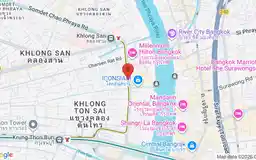
Charoen Nakhon is a Chao Phraya riverside area in Khlong San known for ICONSIAM, river views, and fast connections into central Bangkok.
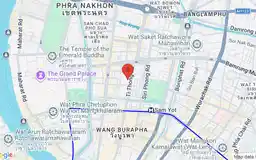
Rattanakosin is Bangkok's historic core, home to the Grand Palace, major temples, museums, and some of the city's most important landmarks.
Related Attractions for Bangkok as a Canal City
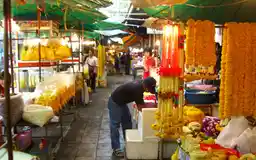
Pak Khlong Talat
Google Rating
16,151 reviews
Bangkok's largest flower market operates around the clock, with the most spectacular displays of orchids, jasmine garlands, and roses after midnight.
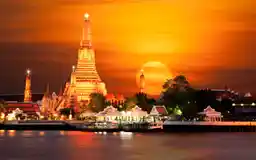
Wat Arun
Google Rating
110 reviews
The Temple of Dawn with its towering porcelain-encrusted spire is one of Bangkok's most photogenic landmarks on the Thonburi riverside.