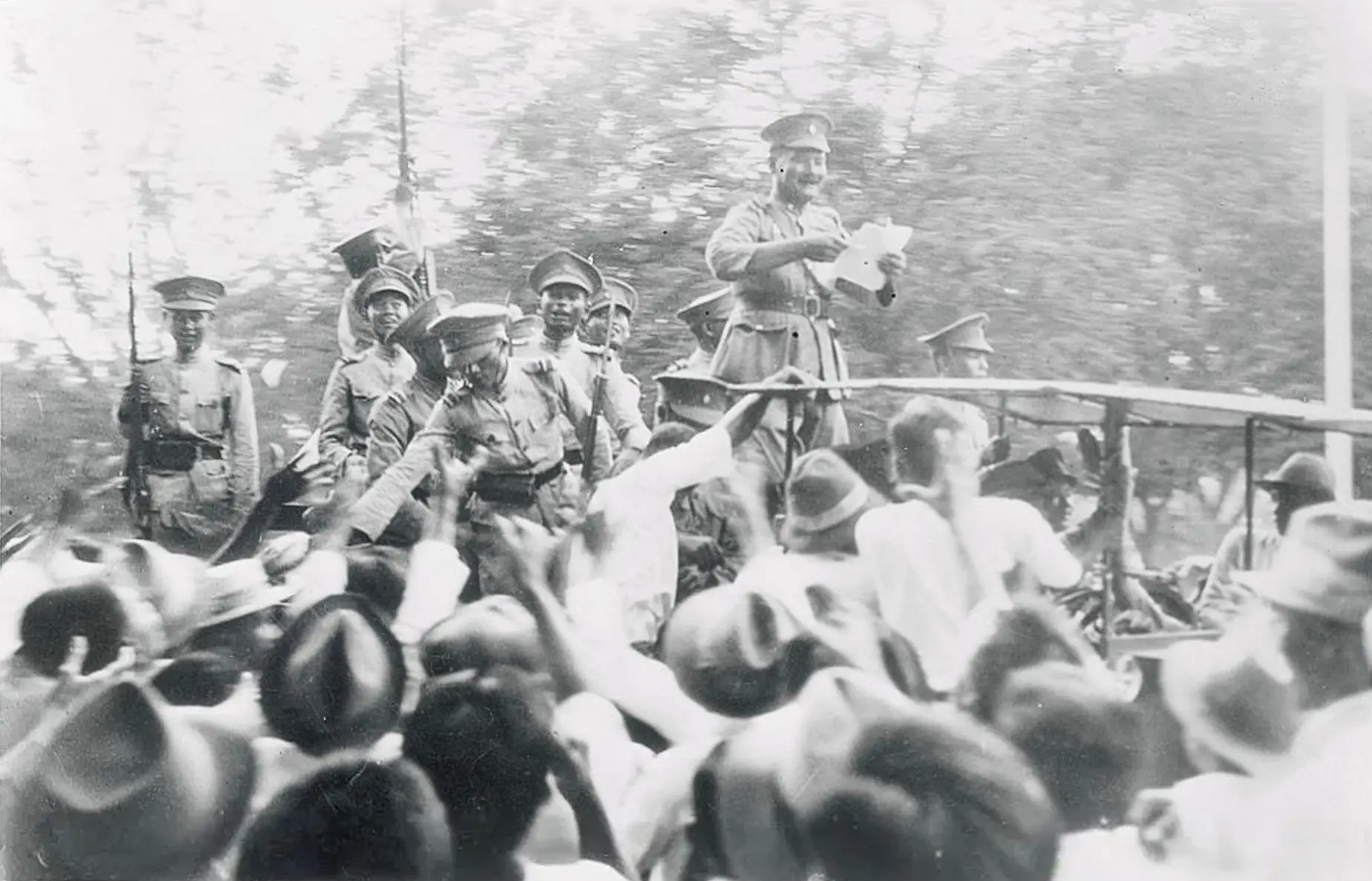
The 1932 revolution ended absolute monarchy in Siam and introduced constitutional government. Bangkok mattered because it was the capital, the center of state institutions, and the stage where new political symbols and public spaces took shape.
In the Bangkok history timeline, 1932 marks the shift from royal capital to modern political capital.
Why it matters for Bangkok
Political change is often explained at the national level, but Bangkok is where many institutions, ministries, monuments, routes, and public spaces became visible.
The old royal city did not disappear. Instead, constitutional symbols and modern state architecture were layered onto the existing capital. That mix still shapes how old Bangkok feels: royal, religious, administrative, ceremonial, and political at once.
Public space and memory
After 1932, places such as Ratchadamnoen Avenue and later Democracy Monument became part of Bangkok’s political geography. They were not just traffic landmarks. They became symbolic places where state power, memory, protest, and public life intersected.
That is why political history in Bangkok is also spatial history. It is tied to roads, squares, monuments, bridges, universities, and gathering points.
How to approach it
This topic can be sensitive and politically complex. For a city-guide route, focus on how the event changed Bangkok’s institutions and public spaces rather than reducing it to one monument or one slogan.
Use this page with Democracy Monument and protest history when you want to understand why old-town roads remain politically charged.
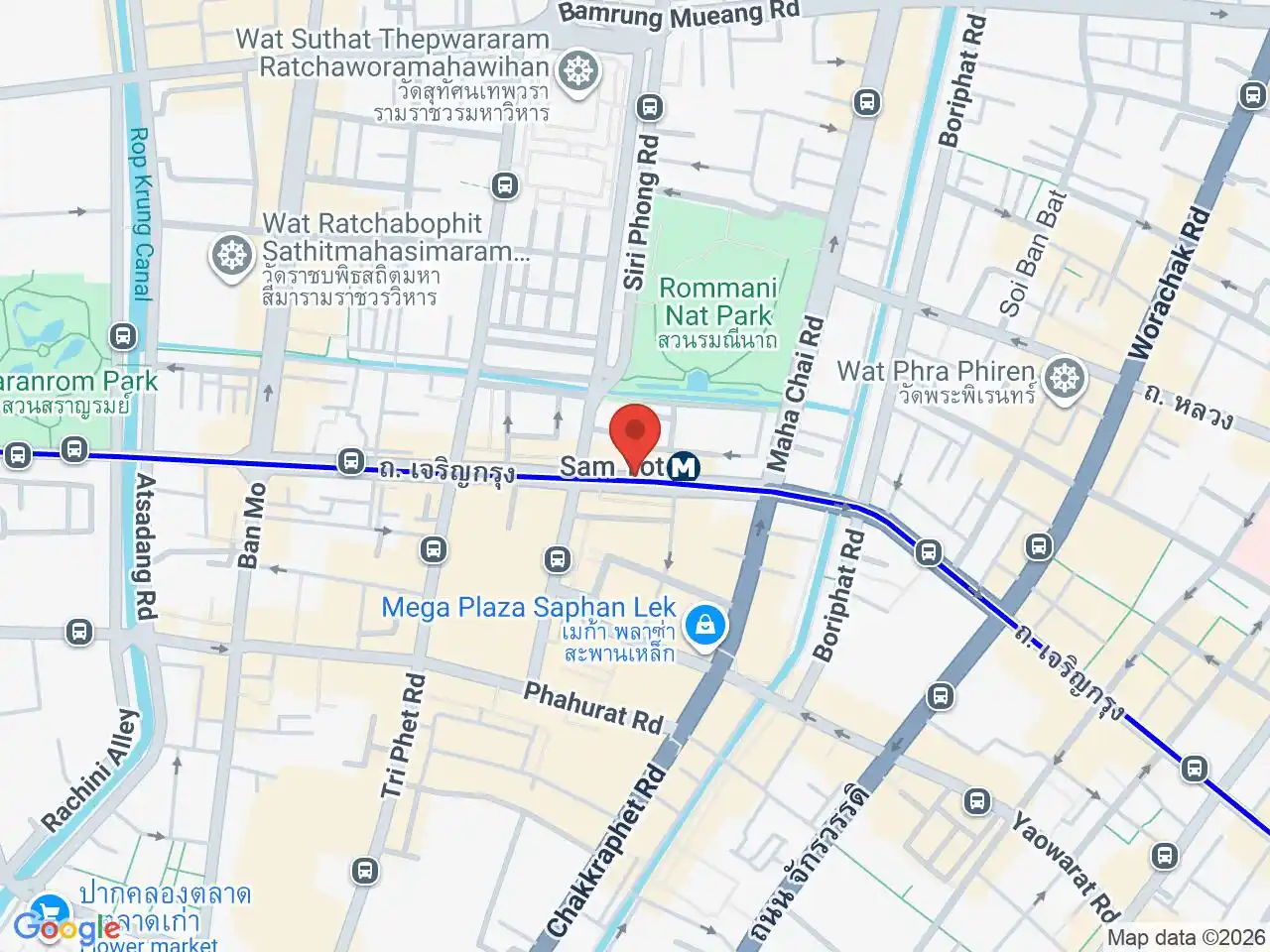
Related Areas for Bangkok and the 1932 Revolution
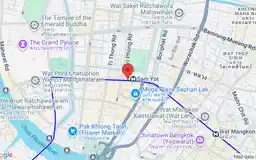
Related Stations for Bangkok and the 1932 Revolution
Google Rating
31 reviews
Related Attractions for Bangkok and the 1932 Revolution
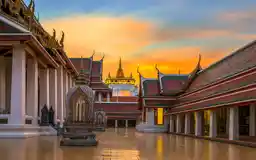
Wat Saket
Google Rating
8,083 reviews
Climb 344 steps to the Golden Mount for sweeping 360-degree views over Bangkok's old town, temples, and rooftops from an artificial hill.