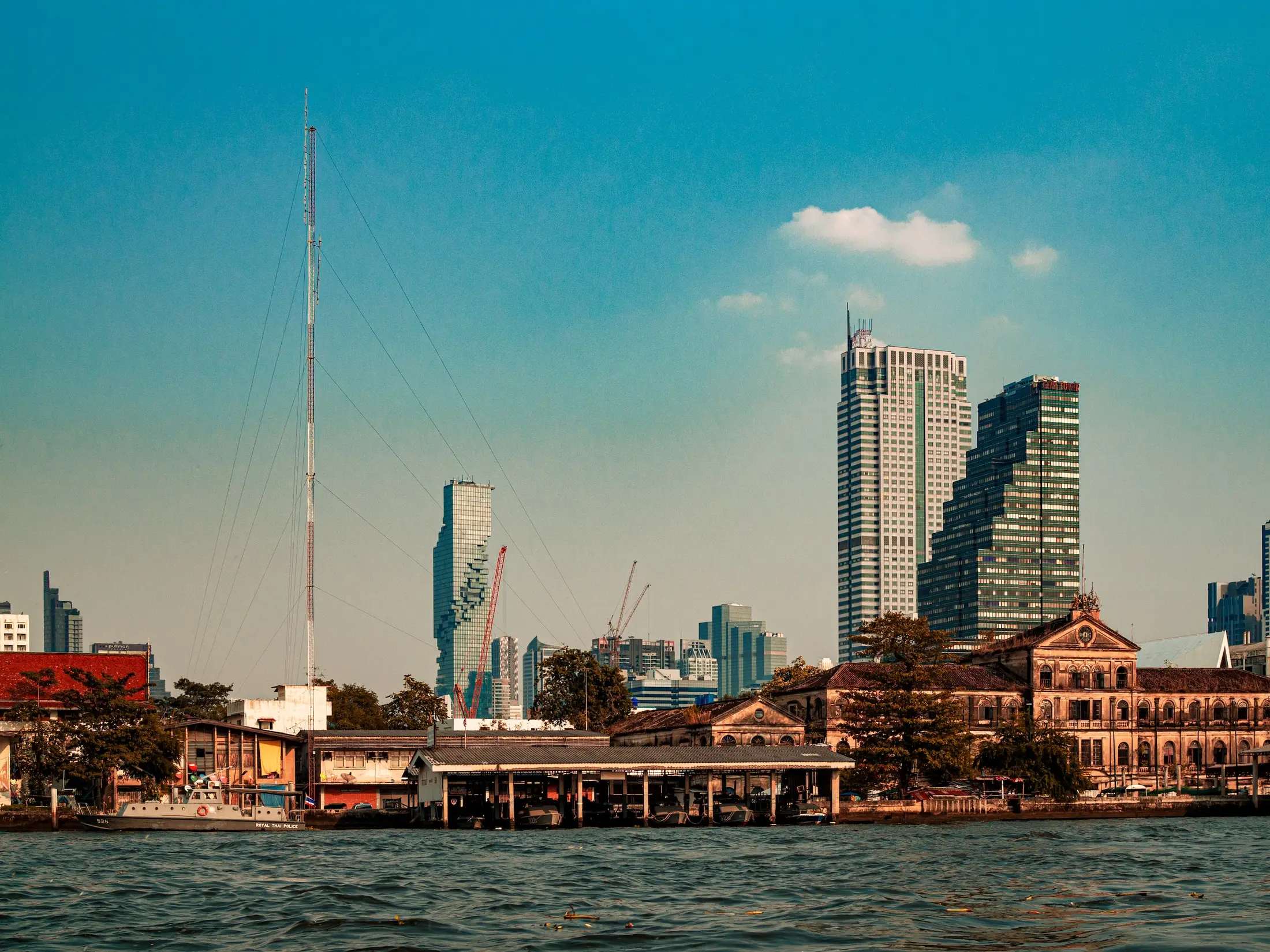
World War II affected Bangkok through Japanese military presence, Allied bombing, transport pressure, shortages, uncertainty, and the city’s role as the capital and transport hub.
This period is often remembered through places outside Bangkok, especially Kanchanaburi, but Bangkok itself was part of the wartime geography.
Bangkok as a wartime capital
Bangkok’s rail, river, port, administrative, and communications functions made it strategically important. War put pressure on movement, supply, and infrastructure.
The city did not become a battlefield in the same way as some other wartime capitals, but it experienced disruption and danger. Bombing, blackout conditions, military movement, and economic pressure affected urban life.
Link to regional war history
Many visitors connect World War II in Thailand with Kanchanaburi, the Death Railway, and related memorial sites. That is valid, but Bangkok was part of the same network of rail, military logistics, and political decision-making.
For a weekend route, use central Thailand getaways or cultural getaways to compare Kanchanaburi with other history trips.
What to see in Bangkok
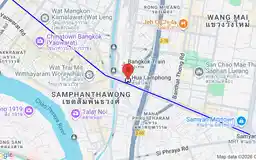
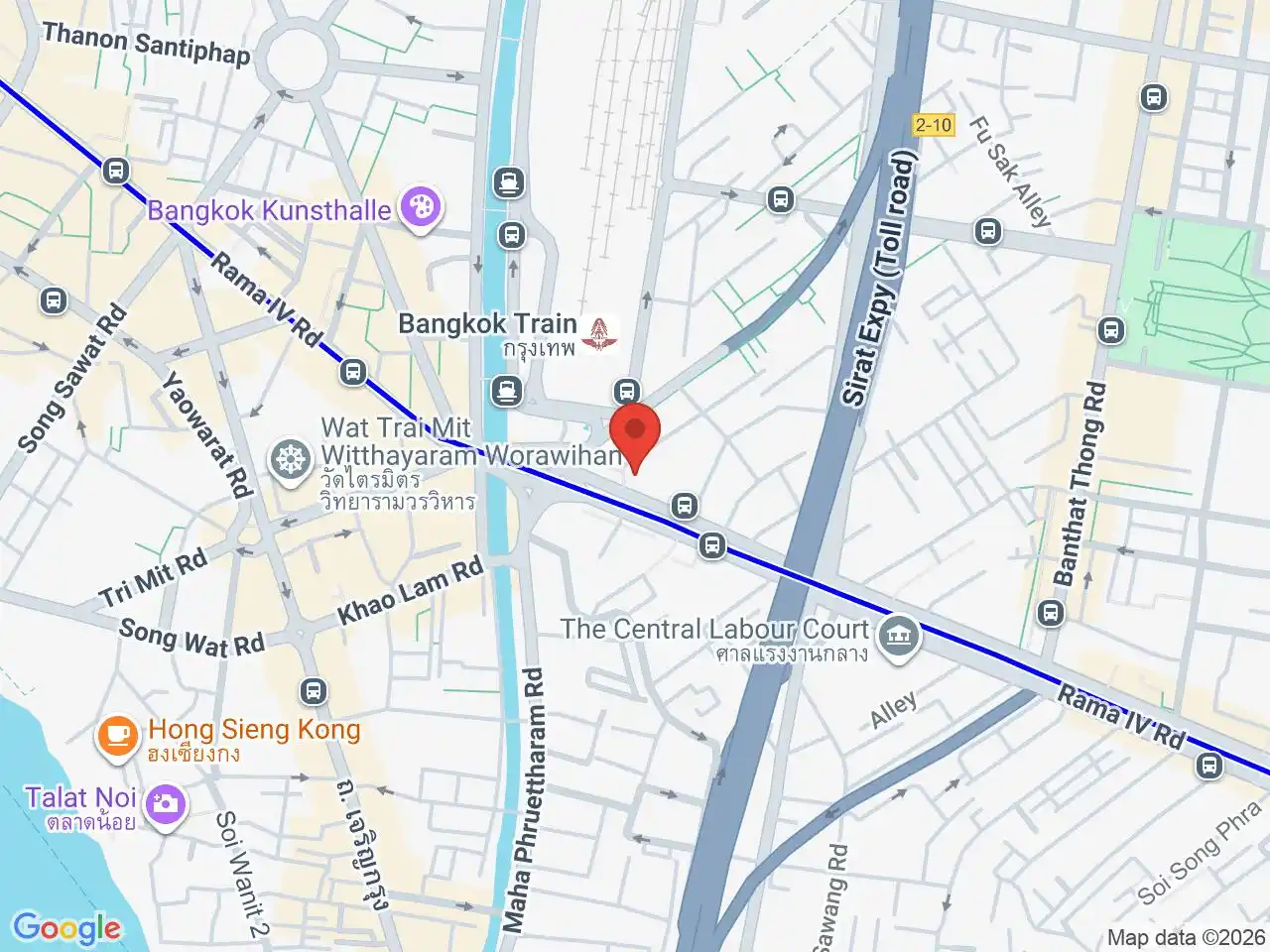
Bangkok does not have one simple World War II route for first-time visitors. Start with broader context at the Bangkok National Museum and think about transport nodes such as Hua Lamphong as part of the older rail city.
The main value of this page is context: World War II is one layer in Bangkok’s move from royal and commercial capital to postwar megacity.
Related Stations for Bangkok During World War II
Google Rating
762 reviews
Related Attractions for Bangkok During World War II

Bangkok National Museum
Google Rating
9,810 reviews
Southeast Asia's largest museum collection spanning Thai art, royal regalia, and artefacts from prehistory to the Rattanakosin era.