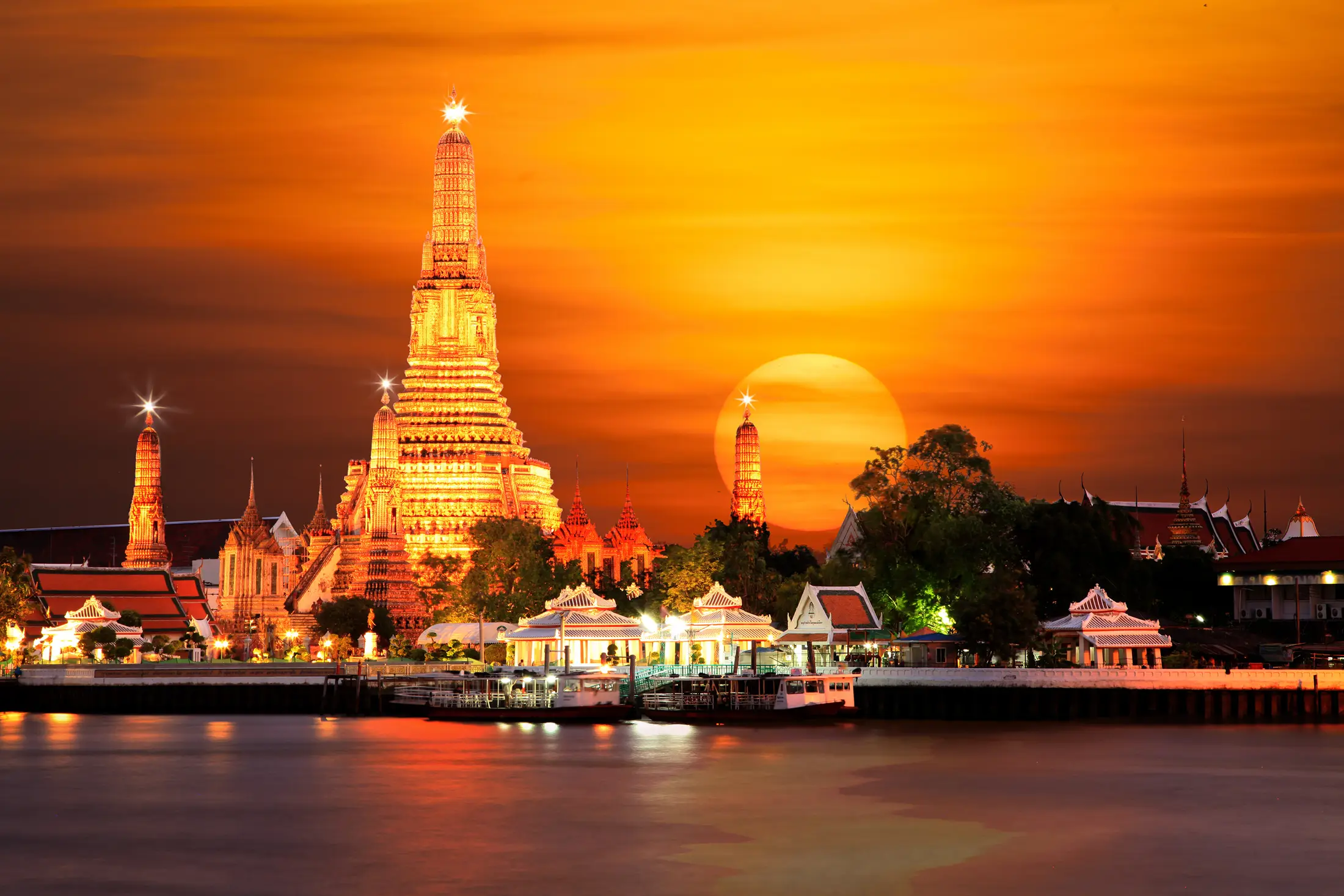
Thonburi was Siam’s capital from 1767 to 1782, after the fall of Ayutthaya and before the founding of Rattanakosin. The period was short, but it matters because it kept royal power on the Chao Phraya River and set the stage for Bangkok to become the capital.
In the wider Bangkok history timeline, Thonburi is the bridge between old Ayutthaya and the Bangkok most visitors see today.
Why Thonburi became capital
Ayutthaya fell in 1767 after war with Burma. King Taksin then rebuilt political control from Thonburi, on the west bank of the Chao Phraya River.
The site made practical sense. It was closer to the Gulf of Thailand, connected to river trade, and easier to defend and supply than a ruined inland capital. It was not yet the Bangkok megacity, but the river location was already central.
Why the period ended
In 1782, King Rama I founded the Chakri dynasty and established a new capital on the east bank of the river. That new capital became Rattanakosin.
The move did not erase Thonburi. It shifted the political center across the river while keeping the Chao Phraya as the organizing spine of the capital.
What to see today
Wat Arun is the most obvious place to connect with Thonburi’s capital history. It sits on the west bank and remains one of the strongest visual symbols of the river city.
The best way to understand the period is to cross the river rather than stay only around the Grand Palace. Move between Rattanakosin and Thonburi by ferry, and Bangkok’s early geography becomes much easier to read.
Related Areas for The Thonburi Capital Period
Related Attractions for The Thonburi Capital Period

Wat Arun
Google Rating
108 reviews
The Temple of Dawn with its towering porcelain-encrusted spire is one of Bangkok's most photogenic landmarks on the Thonburi riverside.
Grand Palace
Google Rating
79,831 reviews
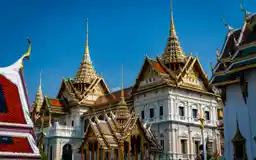
Bangkok's most iconic royal complex featuring the sacred Emerald Buddha and stunning Thai architecture spanning over 200 years of history.