After World War II, Bangkok expanded quickly. Highways, migration, universities, hotels, industry, tourism, shopping districts, suburbs, and new business areas pulled the city far beyond old Rattanakosin.
This is the layer of Bangkok history that explains why the city can feel so spread out, uneven, and hard to read at first.
Why the city expanded
Bangkok became Thailand’s dominant economic, political, educational, and transport center. People moved to the capital for work, study, government jobs, business, and opportunity.
Roads and highways helped the city grow outward. New districts, commercial corridors, and suburbs developed faster than older canal-based patterns could explain.
Tourism and business districts
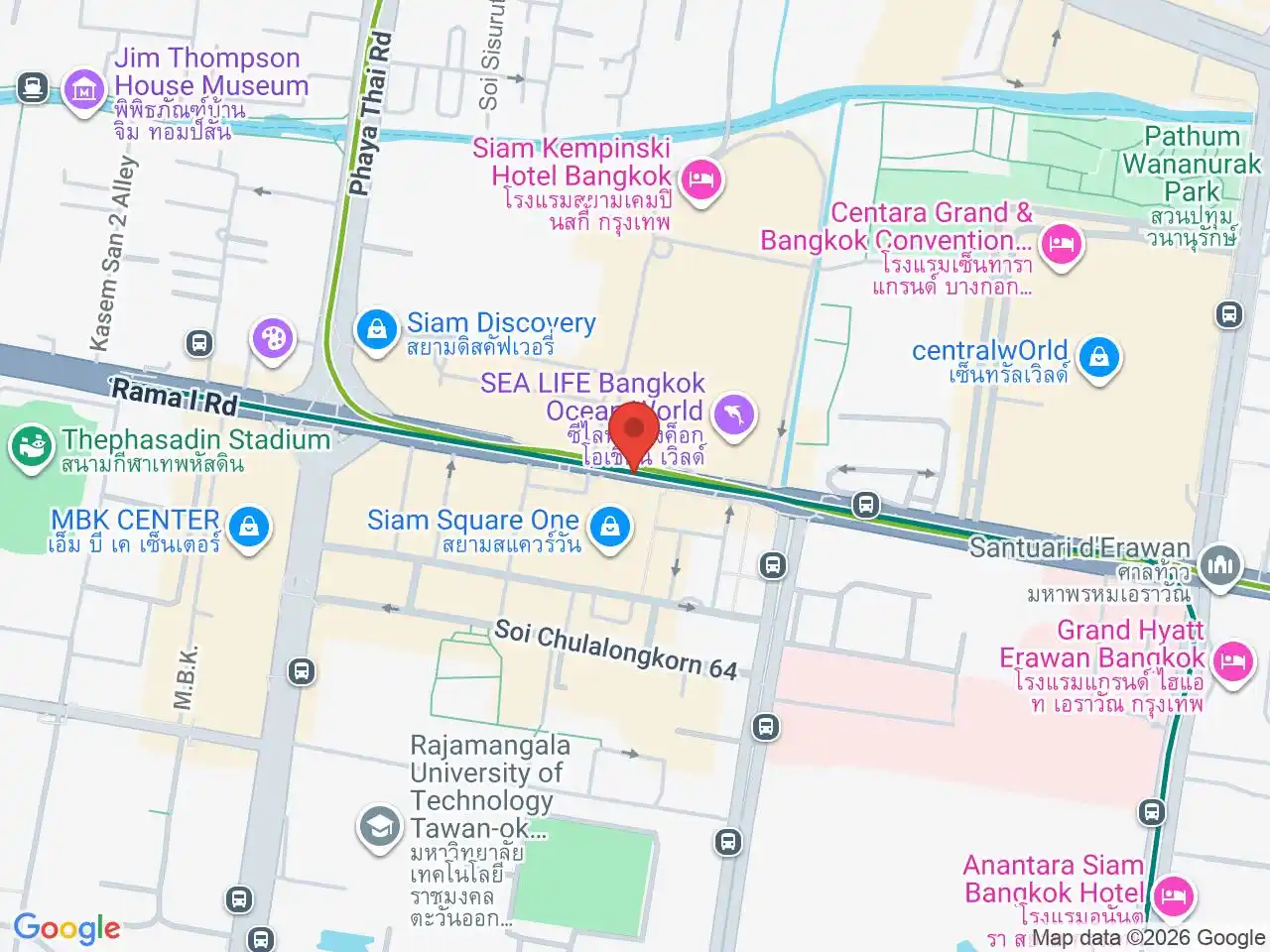
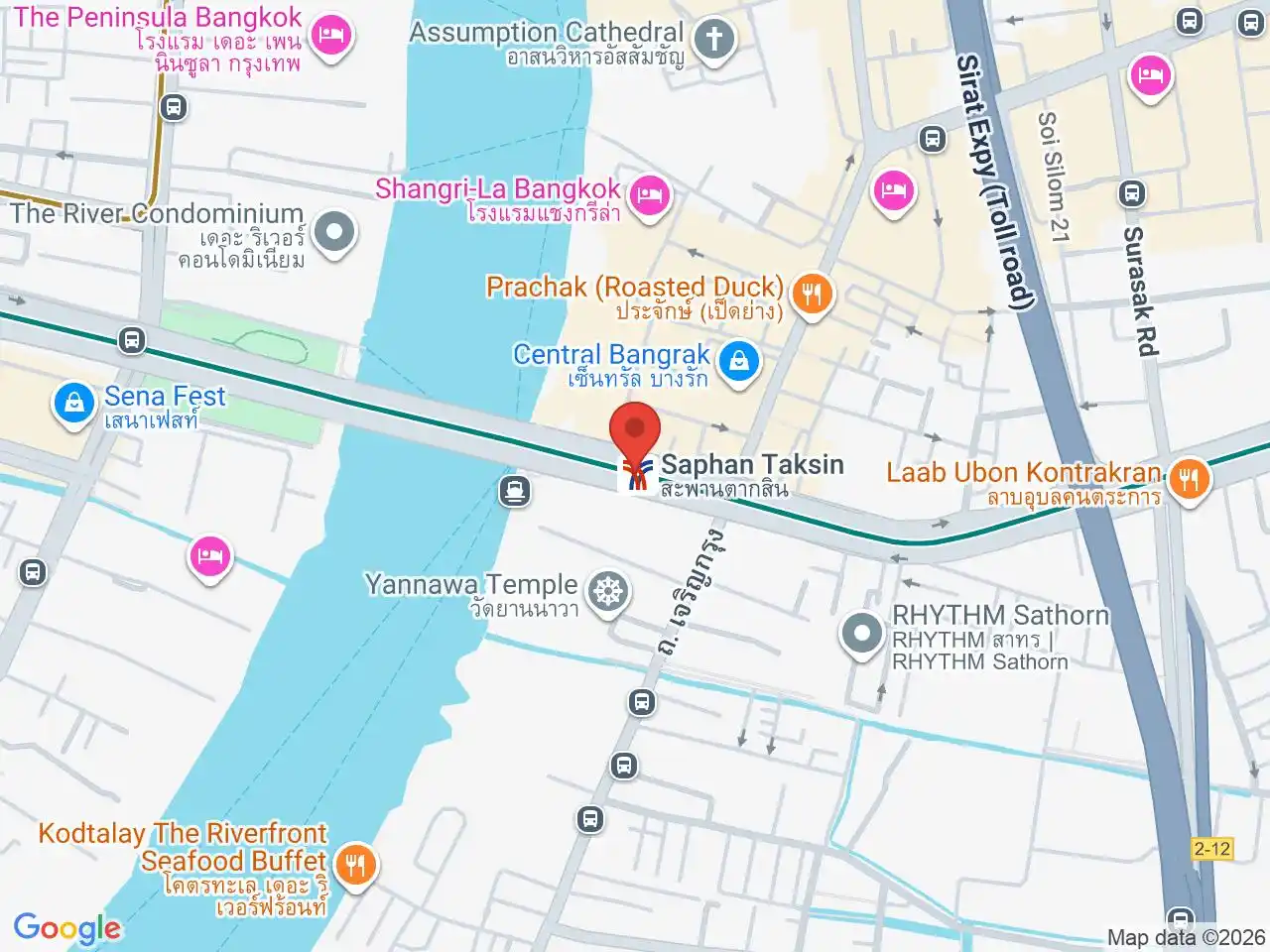
Hotels, shopping centers, office towers, and entertainment districts became part of Bangkok’s modern identity. Silom, Sathorn, Siam, Sukhumvit, Ratchaprasong, and riverside areas all grew into different versions of modern Bangkok.
The old city remained symbolically important, but daily economic life spread across a much larger metropolitan area.
Economic boom and the 1997 crisis
By the 1980s and early 1990s, Bangkok’s skyline was changing quickly. Finance, property development, hotels, shopping centers, and office towers made the city feel more international and more vertical.
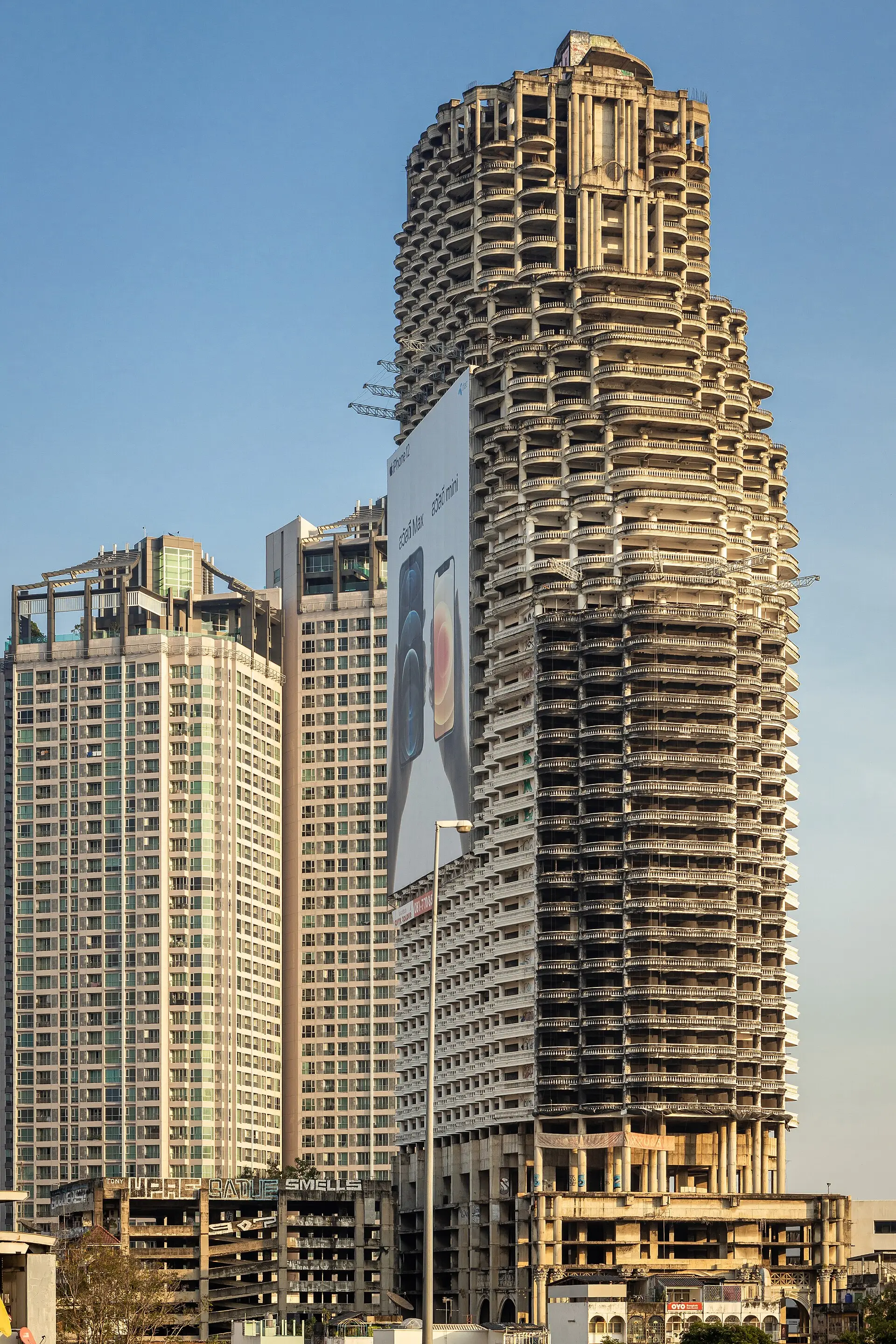
The 1997 Asian Financial Crisis interrupted that boom. The Thai baht collapsed, the crisis spread across the region, and construction projects stopped across Bangkok. Unfinished towers and stalled developments became part of the cityscape. Many were later completed or replaced as Bangkok recovered, but the crisis still explains some of the city’s uneven skyline.
How to see the postwar city
Compare Rattanakosin with Siam, Silom, Sathorn, and Sukhumvit. The contrast explains Bangkok better than one single skyline view.
For the next layer, read modern rail and megacity Bangkok, which explains how BTS, MRT, and new development changed movement again after the road-heavy period.
Related Areas for Postwar Bangkok Expansion
Ratchaprasong is a central luxury shopping and hotel district known for major malls, shrines, and prime city-centre convenience.
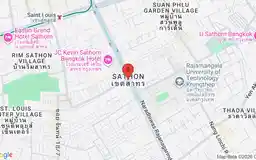
Sathorn is a major business and residential area with embassies, high-rise condos, offices, and upscale dining.
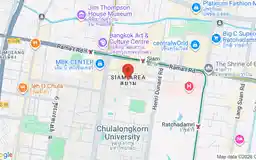
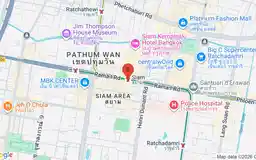
Siam is Bangkok's shopping heart, home to major malls, entertainment venues, and some of the city's busiest pedestrian areas.
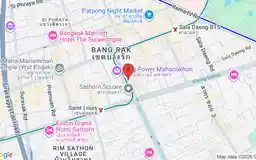
Silom is one of Bangkok's best-known business and nightlife areas, popular for offices, restaurants, bars, and urban convenience.
Related Stations for Postwar Bangkok Expansion
Google Rating
816 reviews
Google Rating
966 reviews