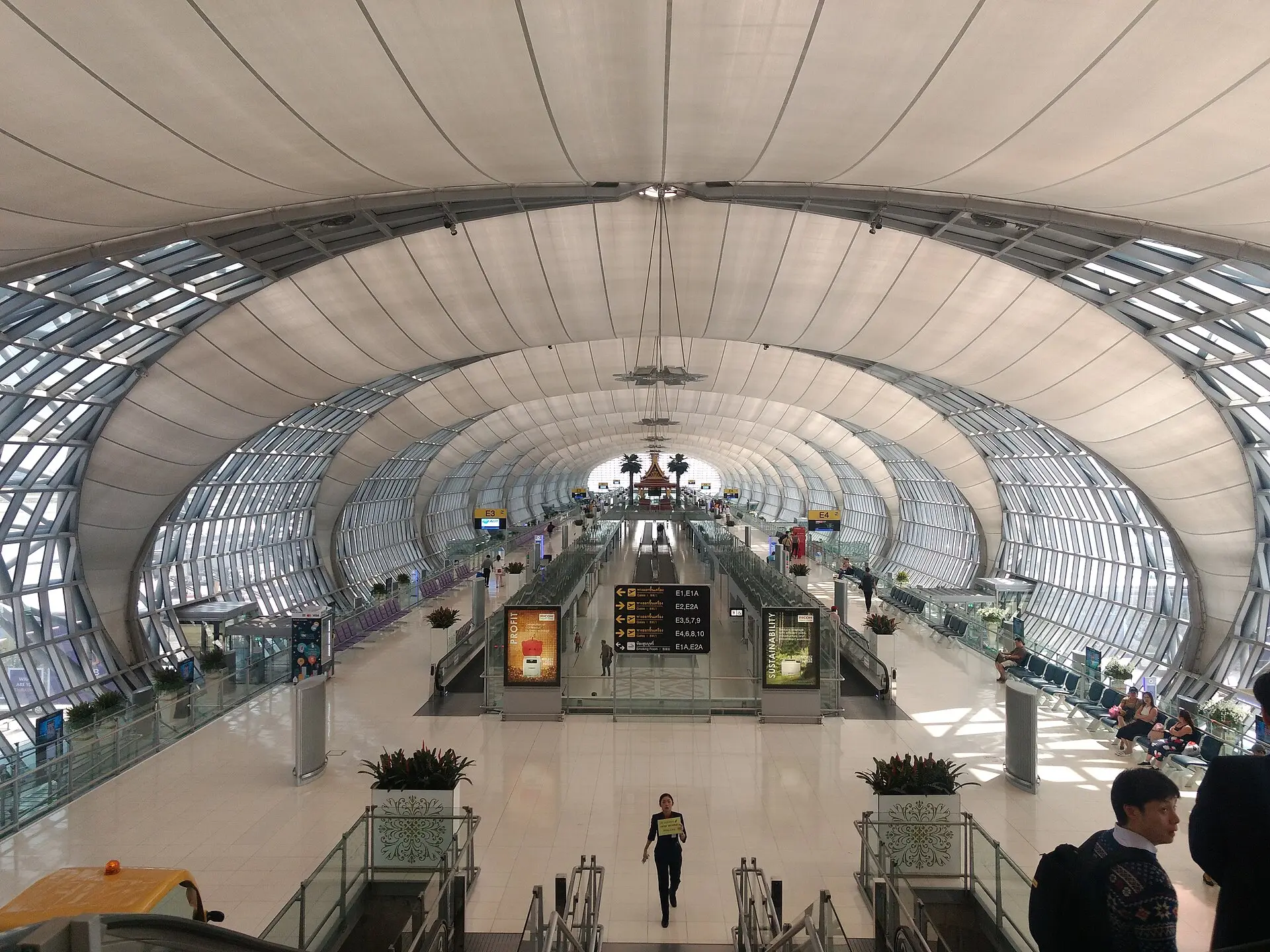
Modern Bangkok changed again when mass rail began reshaping the city. The BTS opened in 1999, followed by MRT, Airport Rail Link, and expanding outer lines. Rail did not erase traffic, but it changed where visitors stay, where offices cluster, how malls connect, and how residents think about daily routes.
This is the newest layer of Bangkok history: the road-heavy metropolis becoming a rail-connected megacity.
Why rail mattered
Postwar Bangkok grew around roads, buses, taxis, private cars, and expressways. That created opportunity, but also congestion and long commutes.
BTS and MRT gave parts of the city a more predictable movement system. Stations became anchors for offices, condos, malls, hotels, hospitals, schools, and nightlife areas.
What changed for visitors
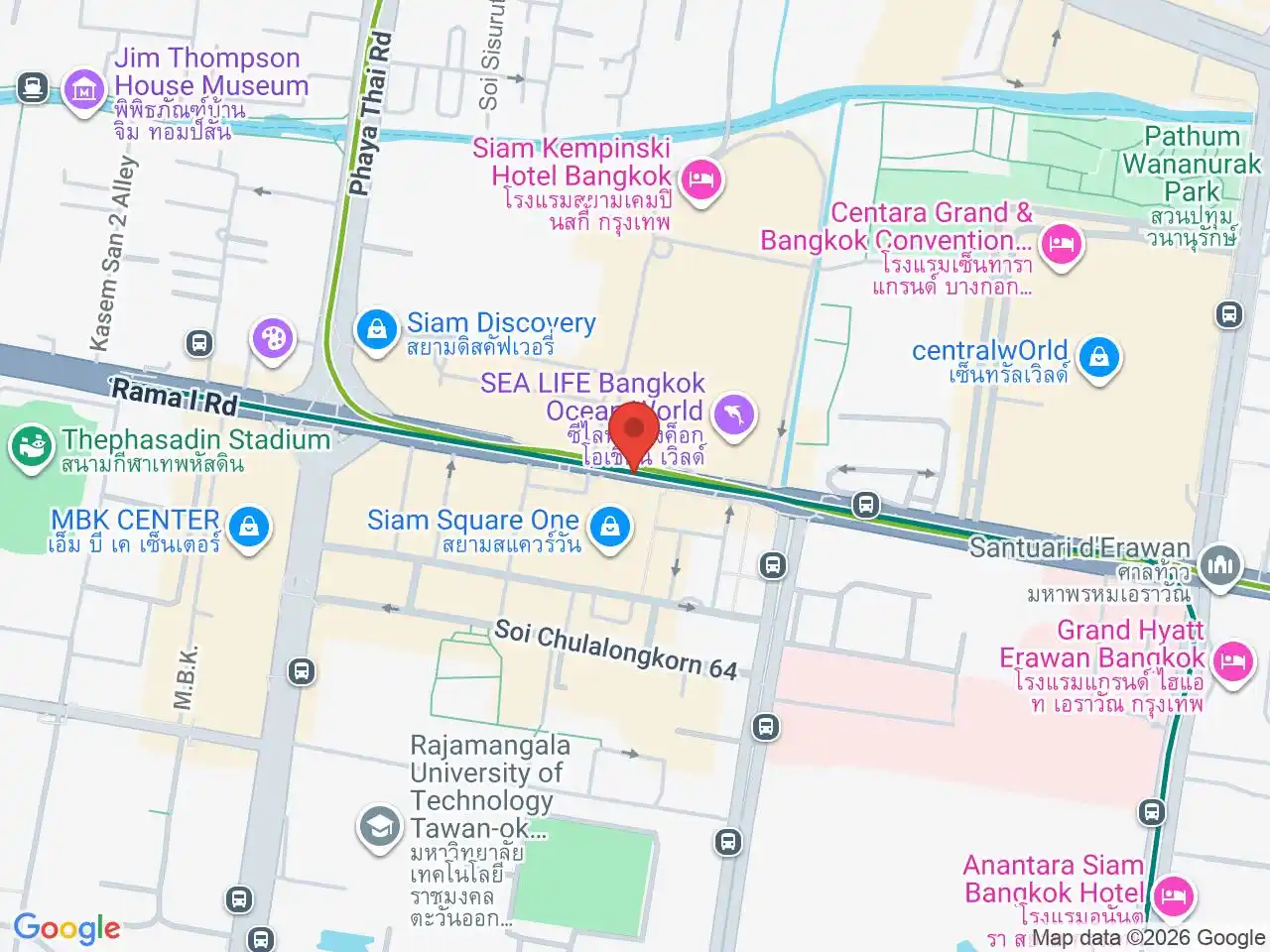
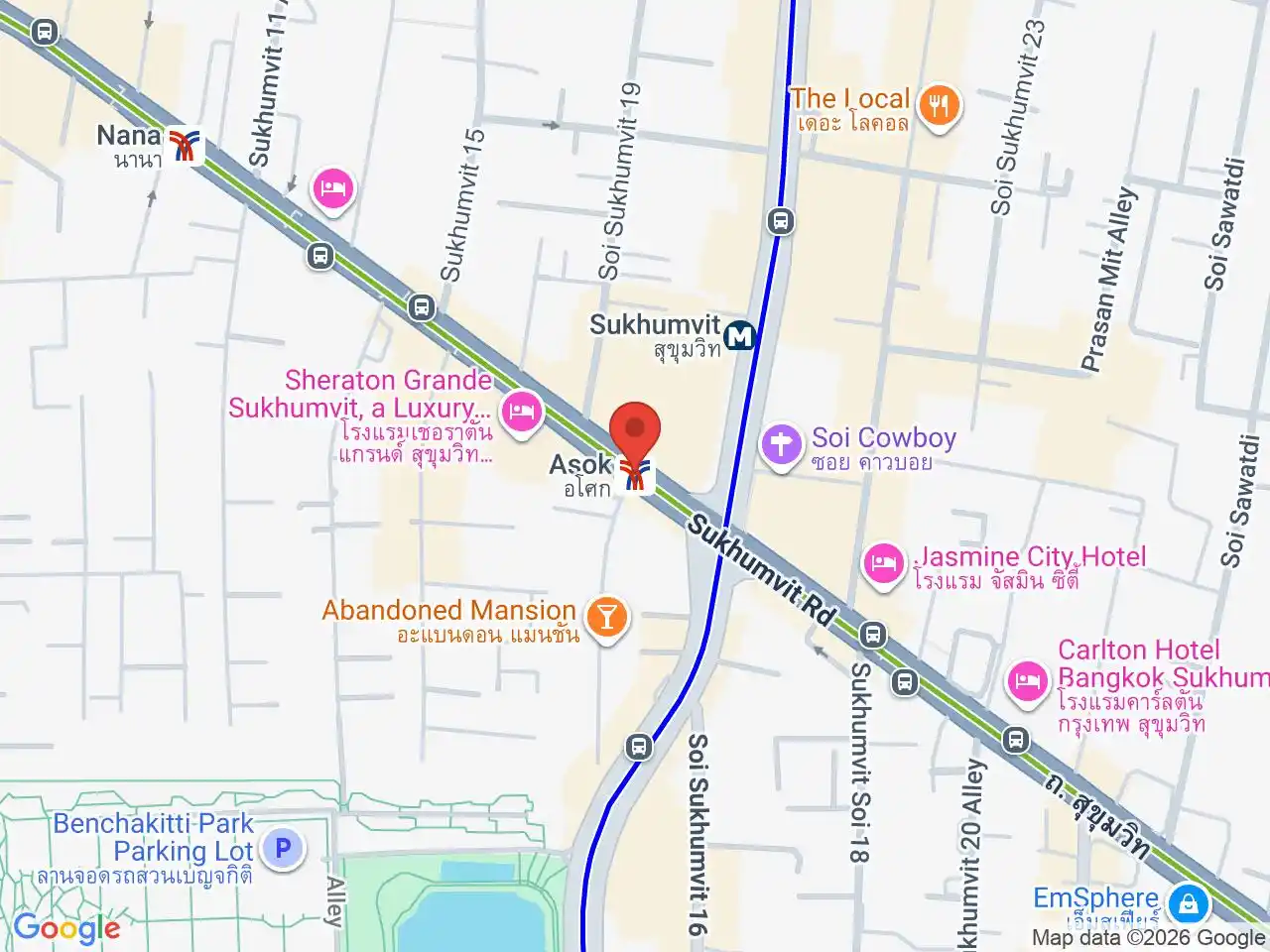
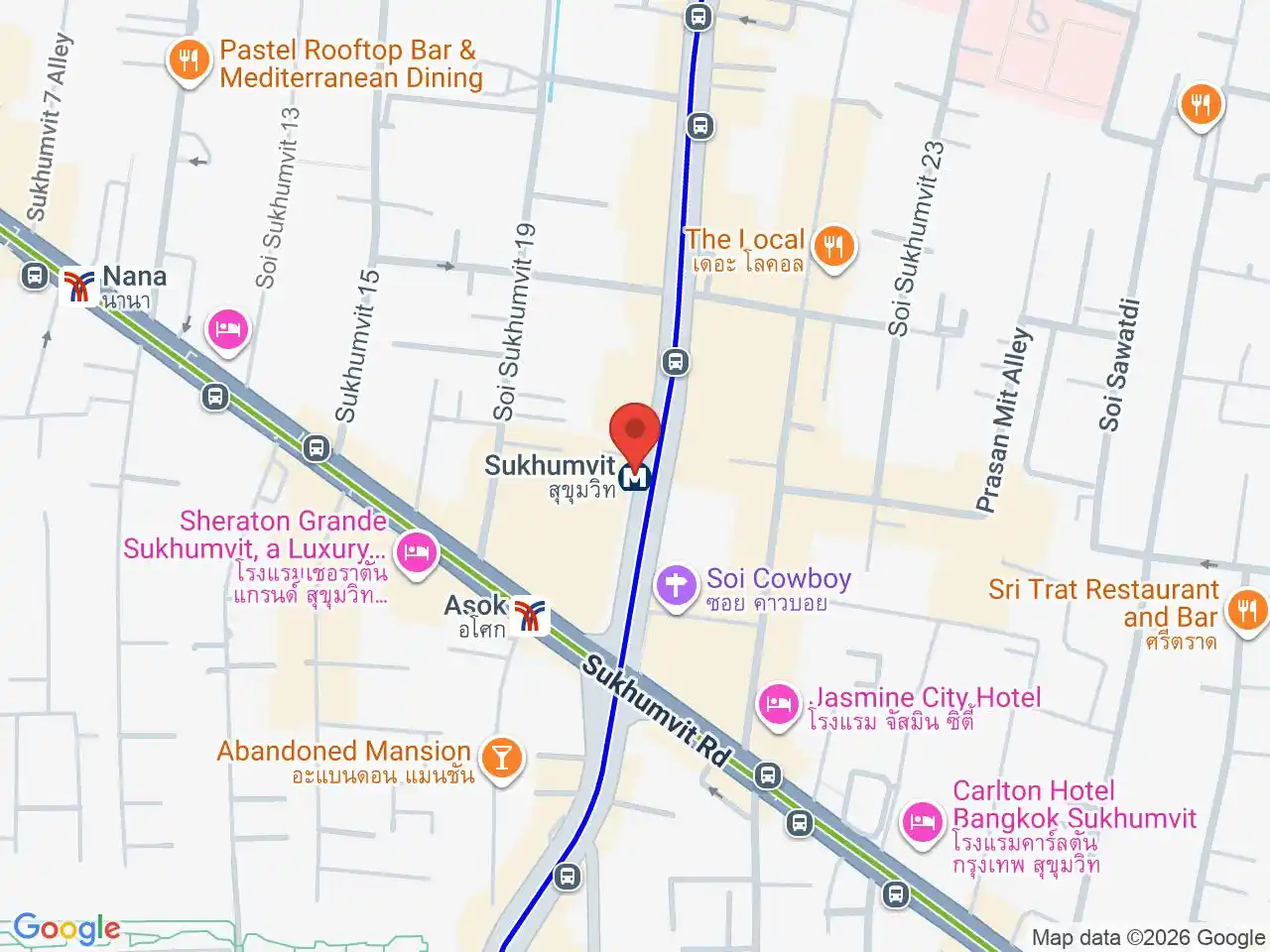
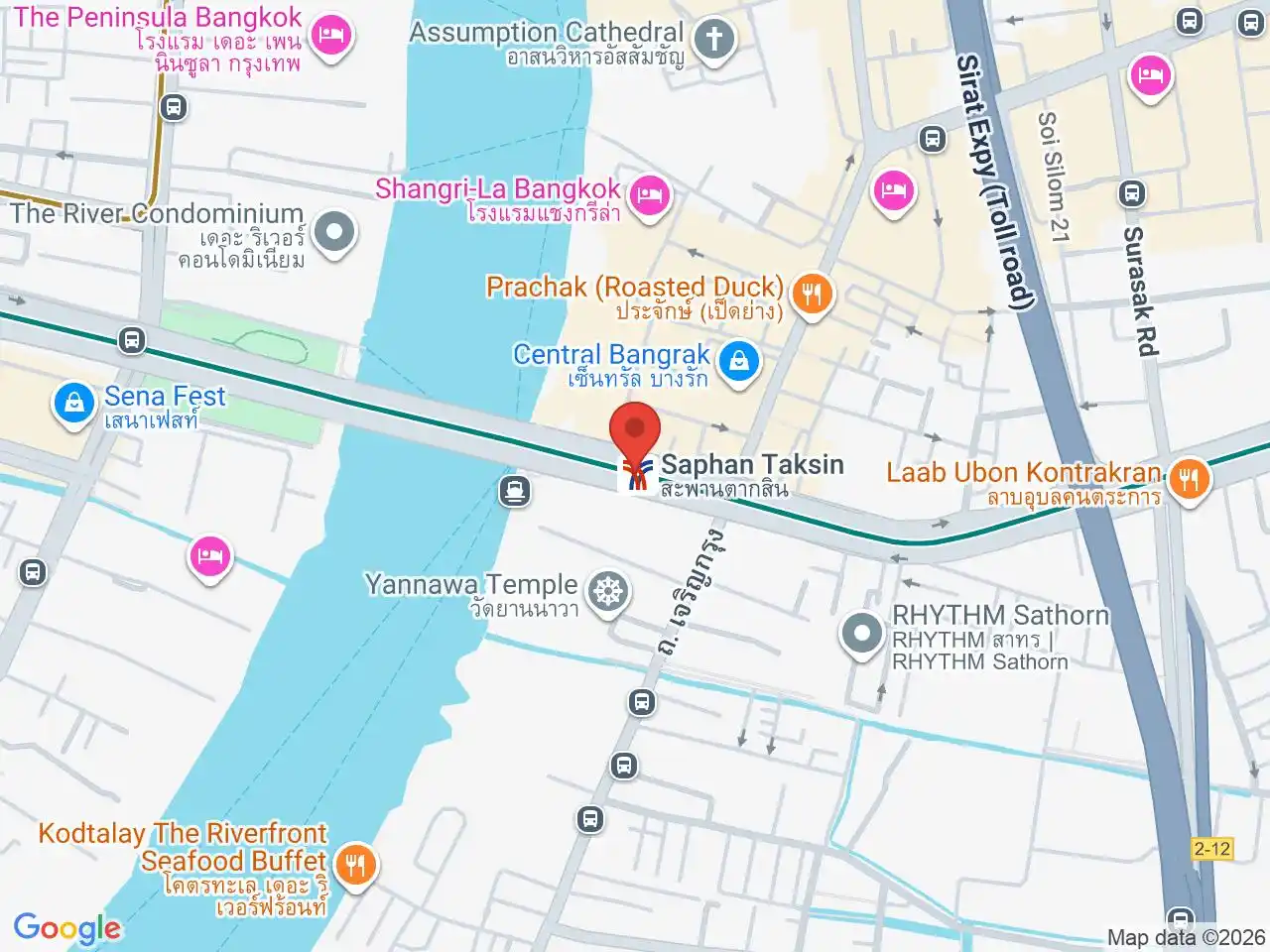
Areas such as Siam, Asok, Phrom Phong, Silom, Sathorn, Ari, and riverside rail-linked zones became easier to compare because station access changed the practical map.
For visitors, “near BTS or MRT” often matters more than distance on a map. For residents, rail access can shape rent, school runs, work commutes, and evening routines.
Suvarnabhumi and global Bangkok
Suvarnabhumi Airport opened in 2006 and became Thailand’s main international gateway. It strengthened Bangkok’s role in tourism, international business, logistics, and regional aviation.
The airport did not replace the city’s older layers, but it changed the scale of connection. Together with mass rail, airport rail, expressways, hotels, malls, hospitals, and offices, it helped Bangkok become one of Asia’s major connected cities rather than only Thailand’s capital.
The megacity layer
Bangkok is still uneven. Some areas are rail-rich, some are bus- or taxi-dependent, and many trips still require mixed transport.
Use the Getting Around Bangkok guide for practical movement. Use this page to understand why modern rail is now part of Bangkok’s history, not only its transport system.
Related Areas for Modern Rail and Megacity Bangkok
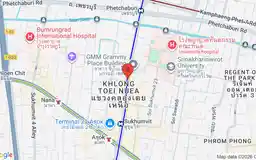
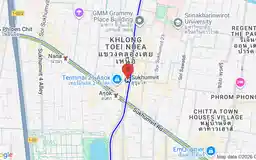
Asok is one of Bangkok's busiest central hubs, combining offices, condos, shopping, and excellent BTS and MRT connections.
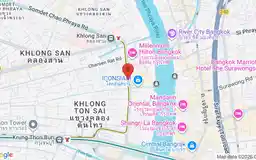
Charoen Nakhon is a Chao Phraya riverside area in Khlong San known for ICONSIAM, river views, and fast connections into central Bangkok.
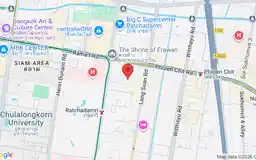
Ratchaprasong is a central luxury shopping and hotel district known for major malls, shrines, and prime city-centre convenience.
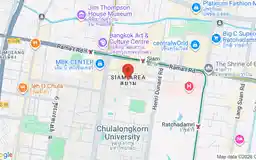
Siam is Bangkok's shopping heart, home to major malls, entertainment venues, and some of the city's busiest pedestrian areas.
Related Stations for Modern Rail and Megacity Bangkok
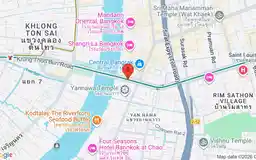
Google Rating
816 reviews
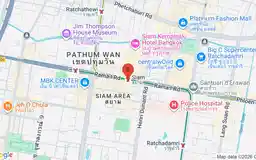
Google Rating
966 reviews
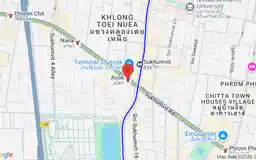
Google Rating
5,116 reviews
Google Rating
346 reviews