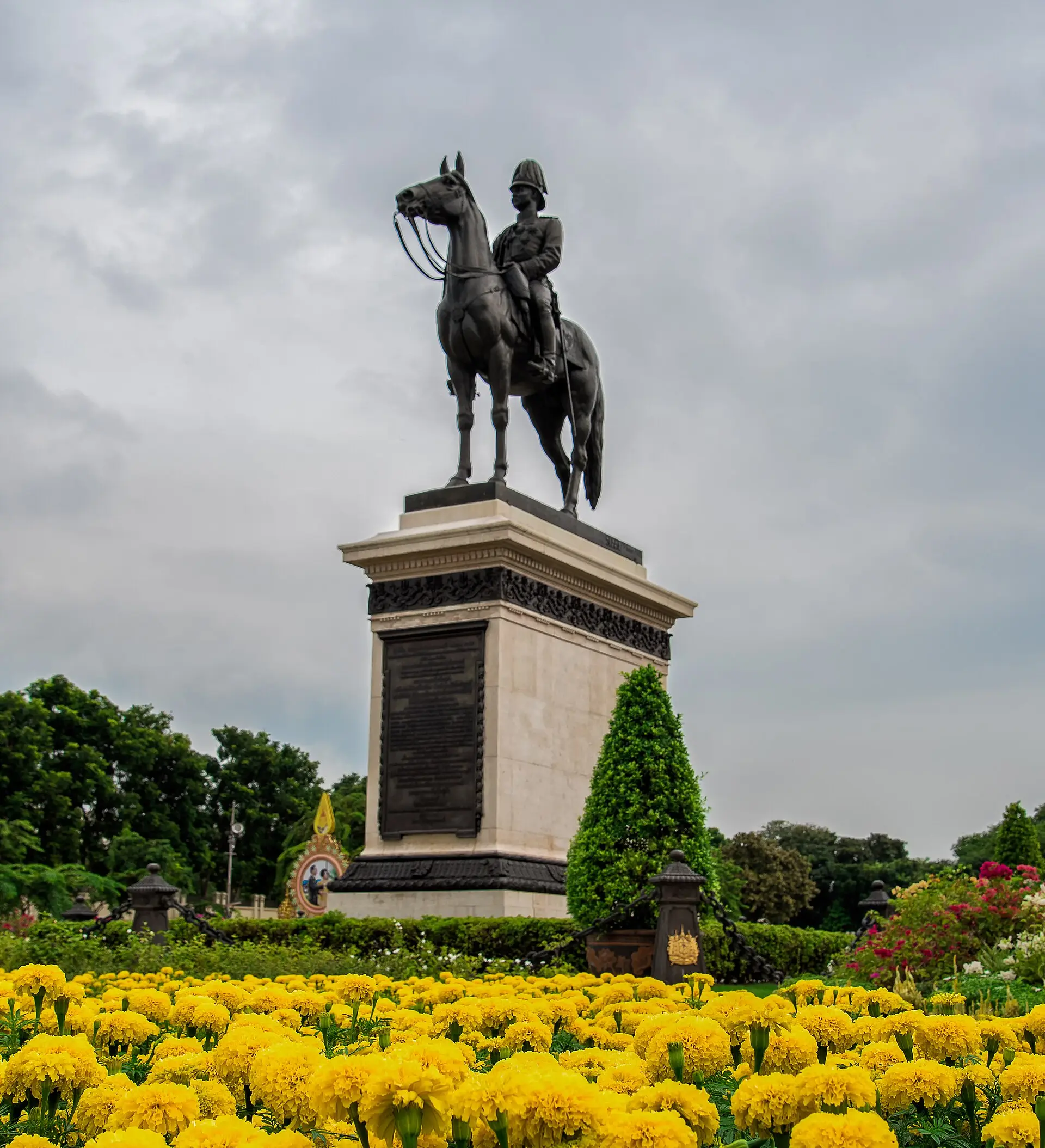
King Rama V’s reign was a major period of modernization for Bangkok and Siam. Reforms in government, infrastructure, education, medicine, transport, and urban planning changed how the capital worked.
This period matters in Bangkok history because it helps explain how a royal canal city became a modern administrative and commercial capital without becoming a European colony.
What modernization meant
Modernization was not one single project. It included new ministries, changing legal and administrative systems, schools, hospitals, rail links, roads, and new ways of managing the city.
Bangkok had to deal with foreign pressure, trade, diplomacy, and internal reform at the same time. The city adapted outside ideas while keeping monarchy, Buddhism, and Thai political authority central.
How it changed the city
Roads and rail made movement less dependent on canals. New institutions changed how people dealt with government, education, and medicine. Foreign contact shaped riverfront districts, commercial streets, and elite urban life.
The effects were uneven. Older waterways, temples, markets, and shophouse communities did not disappear. They were layered into a changing city.
Where to connect the history
Use the Bangkok National Museum for broad context, then walk Rattanakosin and Charoen Krung with modernization in mind.
Charoen Krung is especially useful because it shows roads, trade, foreign contact, hotels, churches, shophouses, and river commerce in one corridor. It is the street-level version of a larger reform period.
Related Areas for Rama V and Bangkok Modernization
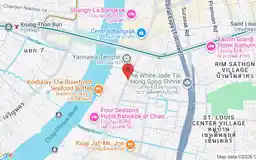
Charoen Krung is one of Bangkok's most historic roads, now known for creative spaces, galleries, riverside hotels, and heritage architecture.
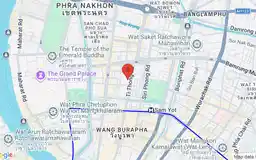
Rattanakosin is Bangkok's historic core, home to the Grand Palace, major temples, museums, and some of the city's most important landmarks.
Related Attractions for Rama V and Bangkok Modernization
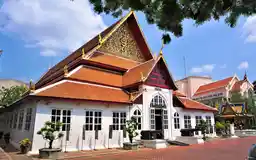
Bangkok National Museum
Google Rating
9,953 reviews
Southeast Asia's largest museum collection spanning Thai art, royal regalia, and artefacts from prehistory to the Rattanakosin era.